
Can You Actually Withdraw With PayID, or Only Deposit?
 Available in US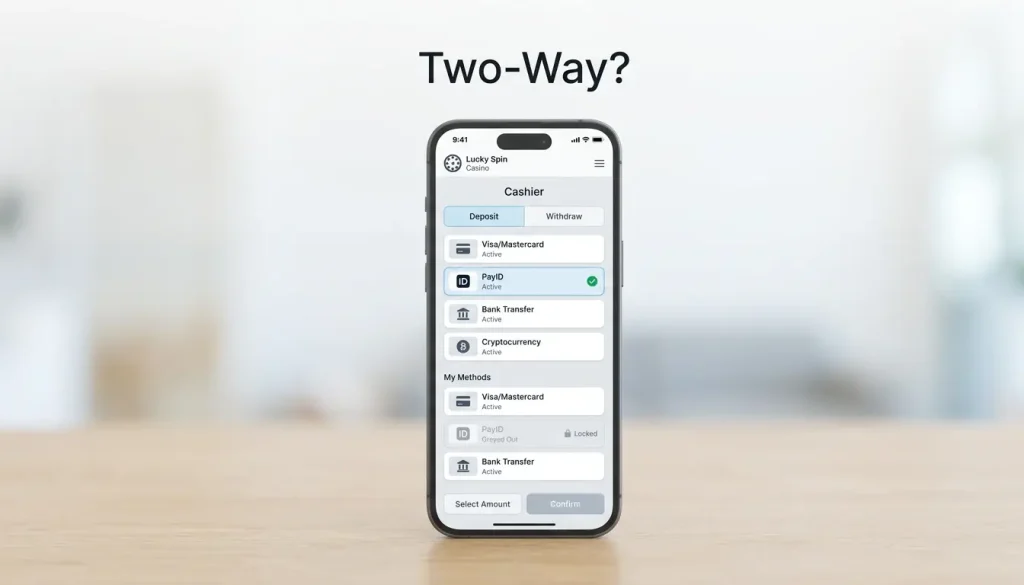
Can you actually withdraw with PayID?
Here is a frustration I hear constantly: a player deposits with PayID in seconds, has a good night, goes to cash out, and discovers PayID is nowhere in the withdrawal menu. The money that flew in one way has to crawl back another. This asymmetry is one of the least-advertised facts about PayID casinos, and it catches almost everyone the first time.
Table of Contents
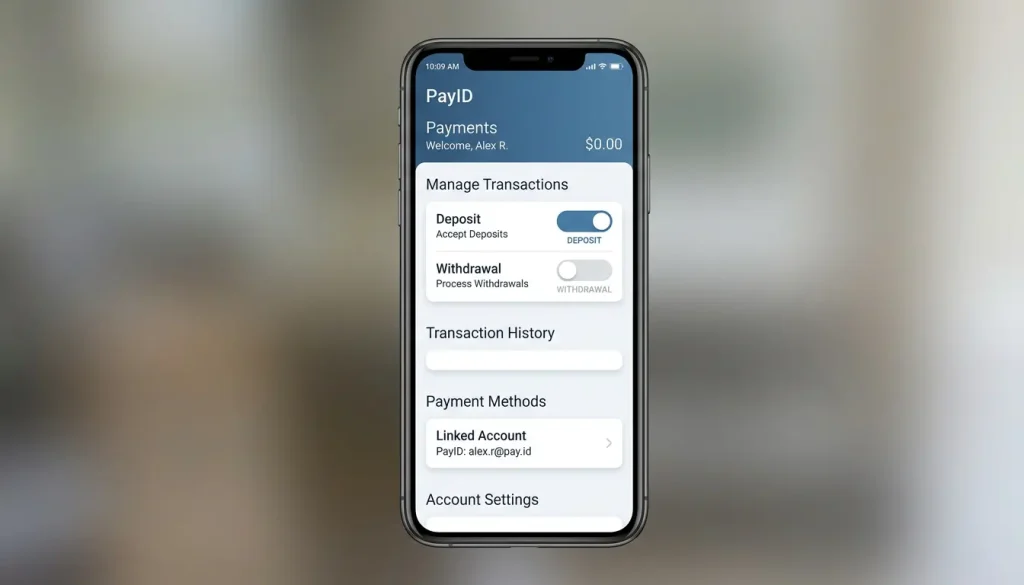
The plain answer is that at many operators, PayID works only for deposits, and withdrawals are returned by a different method – usually a standard bank transfer. You can put money in via your alias, but you cannot pull it out the same way. Some operators do support PayID in both directions, but they are the exception rather than the rule, and the marketing rarely makes the distinction clear.
This matters because it shapes how fast you actually get paid and where your winnings land. A deposit-only setup means your withdrawal inherits the speed of whatever method replaces PayID, not the instant rail you used going in. This piece explains why the asymmetry exists, how your money comes back when PayID is off the table, and how to find the genuine two-way operators if same-rail withdrawals matter to you. Knowing this before you deposit saves the unpleasant surprise of a slow payout after a fast deposit.
Why PayID is often deposit-only
The reason so many operators accept PayID for deposits but not withdrawals comes down to how the rail is built and how casinos manage risk – and once you see the mechanics, the asymmetry stops looking arbitrary.
PayID is fundamentally a push system. You initiate a payment from your banking app to a recipient; the recipient cannot reach in and pull money from you. For a deposit, this is perfect – you push funds to the casino, instantly and cleanly. But for a withdrawal, the casino has to push money to you, which means it needs to send to your PayID rather than simply receive from it. That requires the operator to set up outbound PayID payments on its side, which is more work to configure and to control than just accepting incoming transfers.
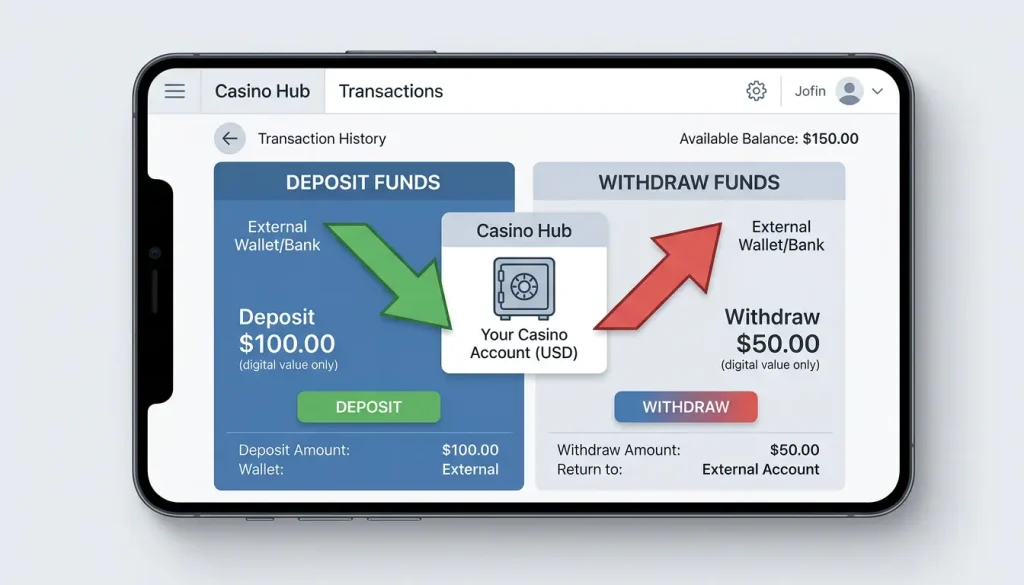
There is also a risk and reconciliation angle. Operators want withdrawals to go back to a verified destination tied to the depositing player, and many find it administratively simpler to return funds via a standard bank transfer to an account they have on file, where they control the timing and can fold in their approval and anti-money-laundering checks. The rail is more than capable of two-way movement – more than 35% of all account-to-account transactions in Australia run through the New Payments Platform – so the limitation is never the technology. It is the operator’s choice about how to configure and govern its payout process. That is precisely why the presence of genuine PayID withdrawals tells you something about how much an operator has invested in a smooth payment experience, versus doing the minimum to take deposits.
How your money comes back instead
If an operator does not pay out via PayID, your winnings still come back – just through a different door, and usually a slower one. Understanding the alternative route, and where it lands, removes the worry that deposit-only somehow means trapped money.
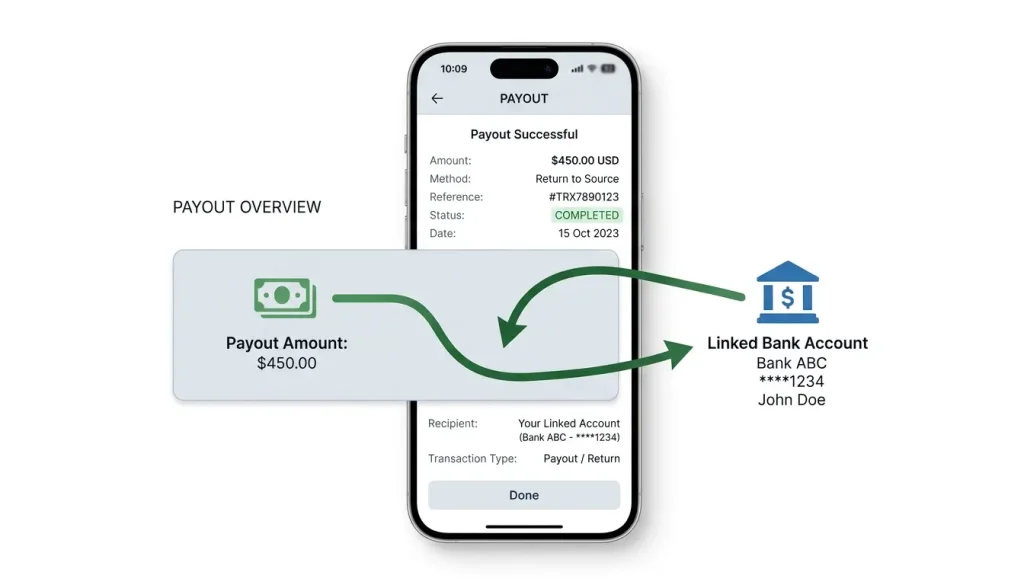
The most common substitute is a standard bank transfer. The operator sends your withdrawal to your nominated bank account using a BSB and account number rather than your PayID alias. The funds typically arrive in the same account your PayID points to, since players usually withdraw to the account they deposited from, but the mechanism is the older, account-number-based one. This can settle same-day on modern rails or take a business day or two depending on the operator and timing, which is the speed difference you actually feel relative to an instant PayID deposit.
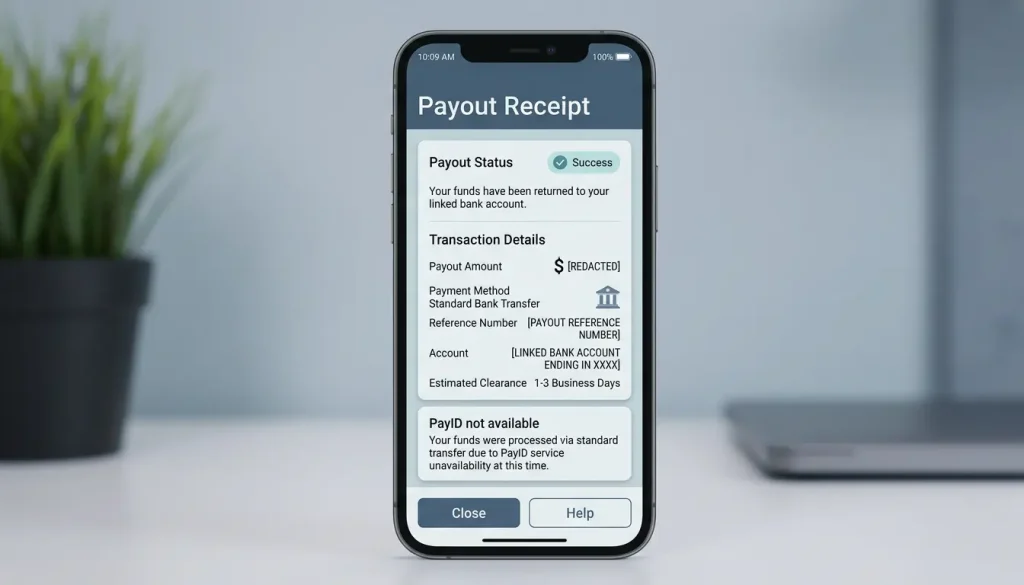
The destination matters as much as the method. A legitimate operator returns funds to an account in your own verified name – not to a random third party – which is part of why identity verification exists in the first place. Adrian Lovney of Australian Payments Plus has described the design goal of these payment tools as giving customers greater control and confidence when money moves, a simple idea that adds a powerful extra layer of protection. That same instinct underlies why operators route payouts to a verified, name-matched account: it is a control, not an inconvenience. The system reaches more than 114 million accounts that can send and receive, so wherever your money is going, the rails are there – the only variable is whether the operator chose to use the instant PayID route or the slower transfer route for the outbound leg. Either way, your money is on its way to an account that is genuinely yours.
Finding genuine two-way PayID casinos
If getting paid out on the same fast rail you deposited with genuinely matters to you, the good news is that two-way PayID operators exist – the harder part is identifying them before you commit, because the marketing is unreliable on this exact point.
The first move is to read the withdrawal section of the cashier or banking page, not just the deposit section. Many sites list an impressive array of deposit methods and a much thinner set of withdrawal options, and PayID frequently appears in the first list but not the second. If the site does not make its withdrawal methods clear up front, that opacity is itself a signal – a confident two-way operator tends to state plainly that PayID works for cashouts.

The second move is to test the claim before you have a balance riding on it. Operator terms sometimes say one thing while the actual cashier offers another, so where you can, confirm with support directly: ask whether withdrawals are processed via PayID or returned by bank transfer, and treat a clear, specific answer as a good sign and a vague one as a reason for caution. The presence of genuine two-way PayID support is one of the more reliable markers of an operator that has invested in its payments rather than bolting on the cheapest deposit option. For the full set of criteria worth checking before you trust an operator with your money, our guide to the best PayID casinos covers what separates a strong operator from a weak one. Confirm the withdrawal route first; the deposit will always be easy, but the deposit is not where operators differentiate themselves.
Frequently Asked Questions
Why can I deposit but not withdraw via PayID?
PayID is a push system that is simple to accept for deposits but requires extra setup and control for an operator to send payouts through. Many casinos find it administratively easier to return winnings by standard bank transfer to a verified account on file, so they accept PayID only for the incoming leg.
Will my payout go to the same account?
Usually yes, since players typically withdraw to the account they deposited from, which is the account your PayID points to. A legitimate operator returns funds only to an account in your own verified name, which is part of why identity verification is required before a payout is released.
Which casinos pay out via PayID?
Genuine two-way operators do exist, but they are the exception, so the reliable way to find them is to read the withdrawal section of the cashier rather than the deposit section, and to confirm directly with support. A site that clearly states PayID works for cashouts is more trustworthy on this point than one that leaves it vague.
Guides
Why ACMA Blocks Casino Sites
Why ACMA blocks casino sites If a casino site you have used suddenly stops loading and your internet provider shows a block notice, your first thought is probably that you…
How Anonymous PayID Really Is at a Casino
How anonymous PayID really is I get asked whether PayID lets you…
The Minimum Deposit at a PayID Casino, Explained
The lowest you can deposit with PayID The smallest PayID deposit I…
What PayID Actually Costs You at a Casino
What PayID actually costs you The good news is short and worth…
When a PayID Deposit Doesn’t Show Up at the Casino
When a PayID deposit doesn't show up The most stressful five minutes…