
Are Gambling Winnings Taxed in Australia?
 Available in US
Are gambling winnings taxed in Australia?
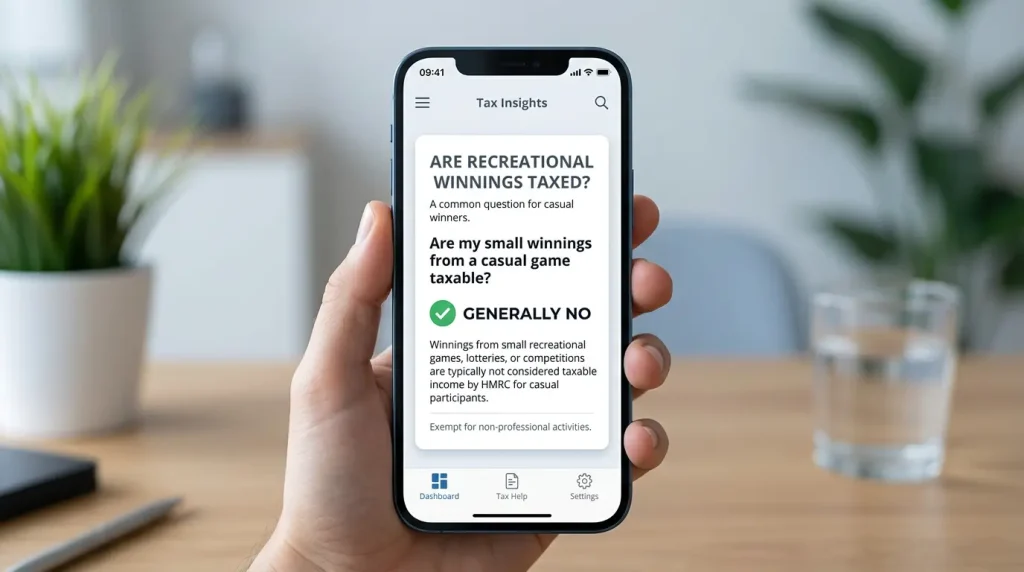
This is one of the few questions in this whole field with a genuinely cheerful answer for most people: in Australia, recreational gambling winnings are generally not treated as taxable income. If you have a good night at a casino and pull out more than you put in, that windfall is, for the ordinary player, typically not something you declare as income. I will explain why, and where the picture can shift.
Table of Contents
I should say clearly that I am not a tax adviser and this is not tax advice – anyone with a complicated situation should speak to a qualified professional or check directly with the tax authority. But the general principle is well established and worth understanding, because it surprises people who assume any large sum is taxed. The reasoning rests on how the system views recreational gambling, and that framing is the key to the whole answer.
What PayID adds to this is not a tax consequence but a record-keeping benefit. Because every PayID deposit and withdrawal appears in your banking app, you have a clean, dated trail of your gambling activity without lifting a finger – which is useful for your own records regardless of tax. This piece covers the general recreational-winnings rule, the situations where the picture can change, and how PayID’s transaction history helps you keep tidy personal records. Helpful context, not advice – and where your situation is unusual, the professionals are the right call.
The general recreational-winnings rule
The reason recreational gambling winnings are generally not taxed in Australia comes down to a principle about what kind of activity gambling is in the eyes of the tax system – and once you grasp the principle, the rule makes intuitive sense.
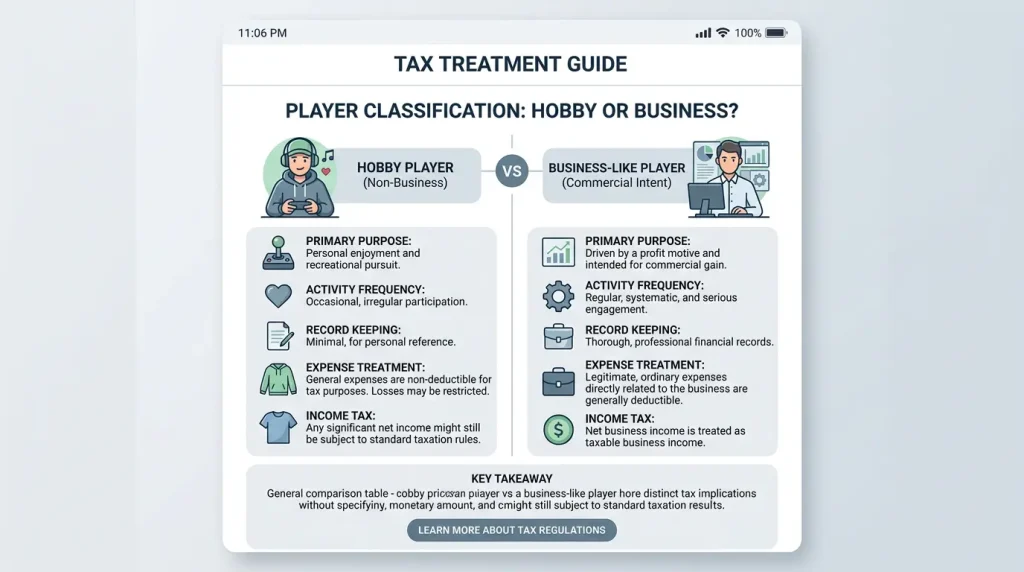
The general position treats recreational gambling as a hobby or a pastime rather than a business or a profession. Winnings from a hobby are typically not assessable income, and – by the same logic – losses from that hobby are typically not deductible. The two sides go together: because the activity is treated as recreation rather than income-earning work, the proceeds sit outside the income-tax framework for the ordinary player. A lucky win is treated more like finding money than like earning a wage.

This applies across the common forms of recreational play. Whether the win comes from pokies, table games, or a bet, the recreational gambler generally does not declare it as income. The scale of activity this principle covers is enormous – online wagering turnover alone reached A$75.4 billion in recent figures, around 31% of all gambling turnover in the country, the overwhelming majority of it recreational. That vast volume of ordinary play sits, for tax purposes, in the not-assessable category. The practical takeaway for most readers is reassuringly simple: if you play recreationally, a win is generally yours to keep without an income-tax obligation attached. But “generally” and “recreational” are doing real work in that sentence, which is why the next section matters – the rule has edges, and a small number of people sit near them.
When the picture can change
The recreational rule is the default, but defaults have boundaries, and a few specific situations can move someone outside the simple “winnings are not taxed” position. These are uncommon, but they are worth knowing so you can recognise whether any of them might apply to you.
The most discussed edge case is the professional gambler – someone whose gambling is conducted in a way that resembles carrying on a business rather than pursuing a hobby. Where gambling takes on the character of a systematic, business-like income-earning activity, the tax position can differ, because the activity is no longer plainly recreational. This is a genuinely grey and fact-specific area, and it is precisely the kind of situation where general guidance ends and professional advice begins. The vast majority of players are nowhere near this line, but it exists.
Other situations can also complicate the picture. Income generated from winnings – for example, interest earned once the money sits in an account, or returns from investing the proceeds – follows the normal rules for that kind of income, even if the original win was not taxed. And anyone whose circumstances are unusual, who gambles at a scale or in a manner that feels business-like, or who is simply unsure, should not rely on a general article like this one. The honest, responsible answer is to check directly with the tax authority or consult a qualified tax professional, because the cost of getting it wrong is real and the rules around the edges are not something to guess at. I include this section not to alarm the recreational player – who is almost certainly fine – but to be straight about the fact that “generally not taxed” is a general rule with real exceptions, and that knowing where the edges are is part of treating the question responsibly.

How PayID records help your records
Whatever your tax position, good personal records are simply sensible, and this is where PayID quietly earns its keep beyond just being a fast deposit method. The same traceability that makes PayID non-anonymous makes it an effortless record-keeping tool.
Every PayID deposit you make to an operator, and every withdrawal that comes back, appears as a dated, named line in your banking app. Without any deliberate effort on your part, you end up with a chronological record of your gambling cash flow – when you deposited, how much, when you withdrew, and the running pattern over time. Compare that with cash, which leaves no trace, or with methods that blur into an undifferentiated balance you cannot easily reconstruct months later. PayID hands you a ledger you did not have to build.
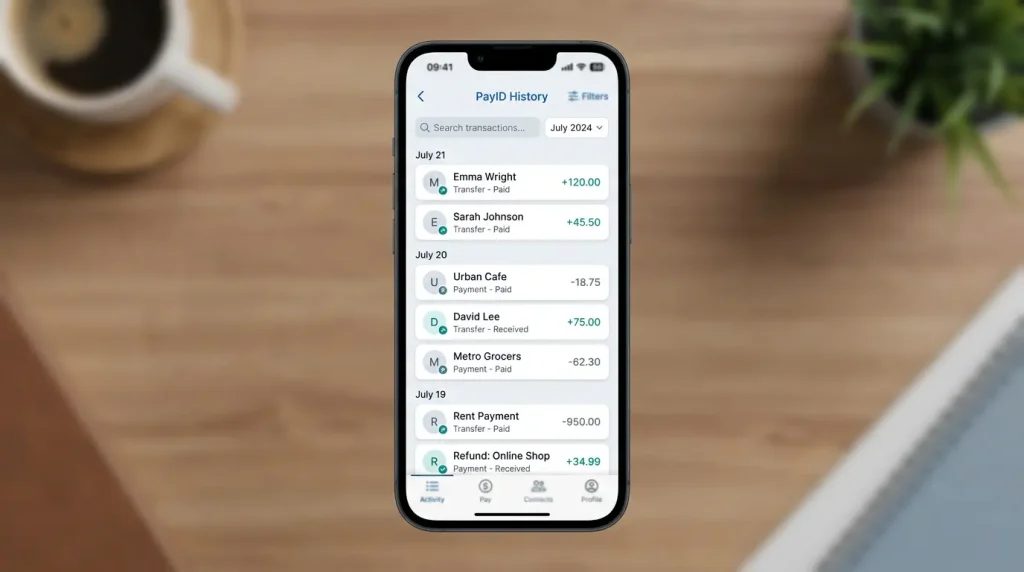
Why does this matter even if your recreational winnings are not taxed? Because clean records are useful for reasons that have nothing to do with a tax bill. They let you understand your own activity honestly, they provide documentation if a question ever arises about a transaction, and if your situation ever does drift toward the business-like edge discussed above, you already have the trail a professional would ask for. Records are cheap insurance and free self-knowledge at once. The same visibility that supports tidy records is part of a broader point about how identifiable PayID payments are, which is covered in our guide to PayID casino anonymity. My standing advice is to let PayID’s automatic trail do the work – you do not have to keep a spreadsheet when your bank statement already is one – and to keep it in mind as one more reason the traceable, account-based method is the grown-up choice for an Australian player.
Frequently Asked Questions
Do I declare casino winnings?
For the ordinary recreational player, gambling winnings are generally not treated as assessable income in Australia and so are typically not declared. This is general information rather than tax advice, and anyone with an unusual or business-like situation should check directly with the tax authority or a qualified professional.
Does paying via PayID create a tax record?
PayID does not create a tax obligation, but it does create a clean, dated record of your deposits and withdrawals in your banking app. That trail is useful for your own personal records regardless of tax, and it exists automatically without any effort on your part.
What if gambling is my main income?
If gambling is conducted in a systematic, business-like way rather than as recreation, the tax position can differ, because the activity may no longer be treated as a hobby. This is a fact-specific, grey area where general guidance ends, so anyone in that position should seek qualified professional advice rather than relying on a general rule.
Guides
Keeping PayID Play Under Control
Keeping PayID play under control There is one feature of PayID that almost nobody markets, and it is the one I value most: every transfer you make shows up, plainly…
Why Money Laundering Shapes Casino Rules
Why money laundering shapes casino rules Every time a casino asks where…
What “Instant” Really Means for a PayID Withdrawal
What "instant" really means for PayID payouts "Instant PayID withdrawals" is one…
How to Set Up PayID Before You Play
Setting up PayID before you play Setting up a PayID is one…
PayID vs POLi for Casino Payments
PayID and POLi: two Aussie bank methods For a long time, if…