
A Pre-Play Checklist for PayID Casinos
 Available in US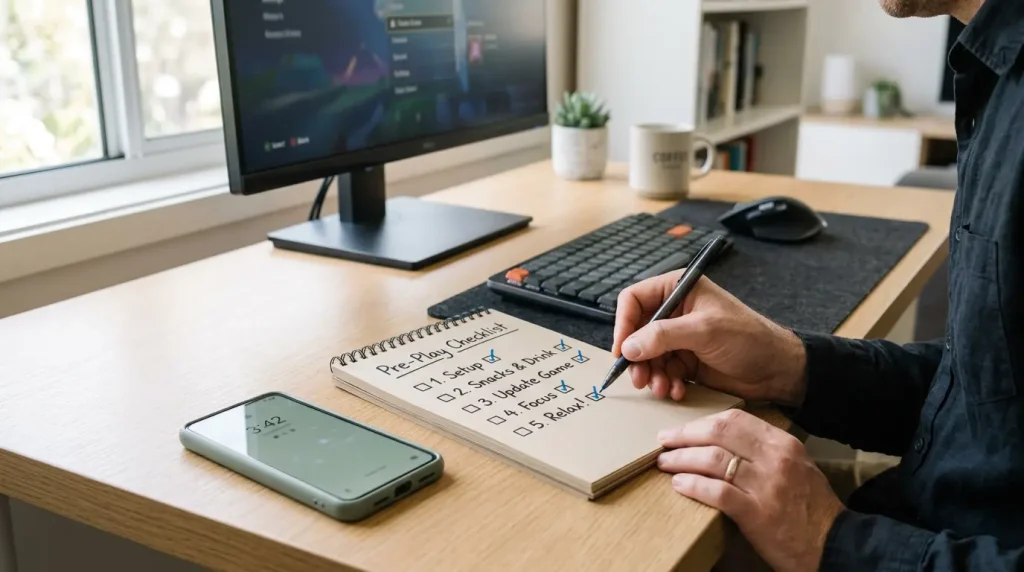
A pre-play checklist for PayID casinos
After nine years in this field, I have learned that almost every bad experience a player has with an offshore operator could have been avoided by five minutes of checking before the first deposit. Not after the loss, not after the held withdrawal – before. So this article is the checklist I wish every player ran, distilled into something you can actually work through in the time it takes to make a coffee.
Table of Contents
The logic is simple: the moment you deposit, your leverage drops. Before you deposit, you can walk away from anything that looks wrong at no cost. After you deposit, you are negotiating to get your own money back from an operator you do not control. The whole value of a pre-play check is that it happens while walking away is still free, and it concentrates your attention on the few things that genuinely predict whether an operator will treat you fairly.
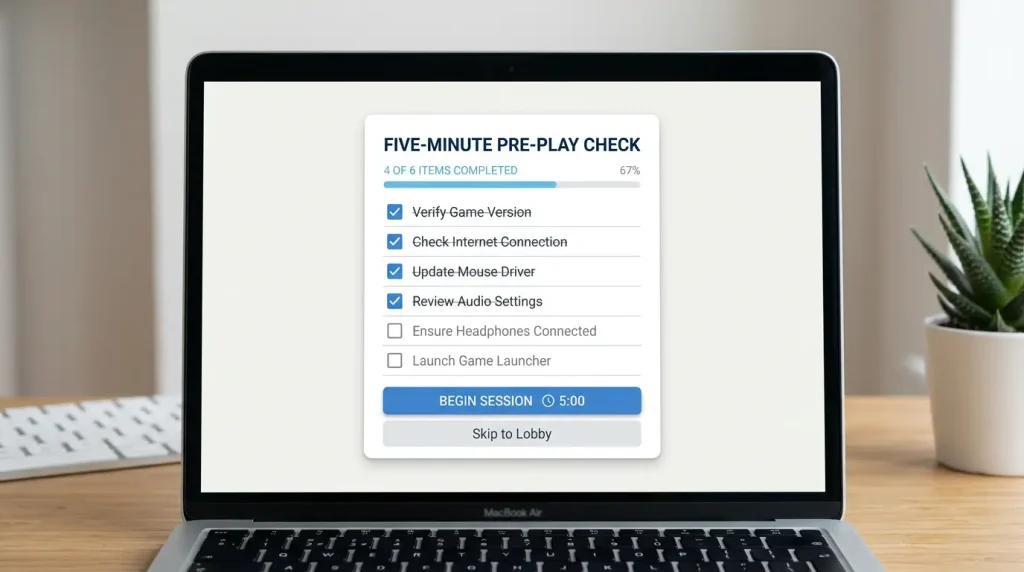
This checklist covers three areas in turn: verifying the operator itself, checking the PayID payment terms specifically, and protecting yourself before money moves. None of it requires special expertise – it is mostly knowing what to look for and being willing to stop if something fails the test. The discipline of running it every time, even when you are keen to play, is what separates players who rarely get burned from those who learn the hard way. Five minutes now beats five weeks chasing a payout later.
Verifying the operator first
Before you look at a single game or bonus, the operator itself has to clear a basic bar, because everything else is meaningless if the operator is not trustworthy. This is the first and most important block of the checklist.
Start with the regulatory backdrop, because the Australian environment is unusual. Online casinos are not licensed in Australia, so operators targeting Australians are typically offshore – which means you are relying on a licence from another jurisdiction, if any, rather than local protection. Look for evidence of a credible licence from a recognised regulator, displayed transparently, and treat a site that is vague or silent about its licensing as a red flag. The scale of the offshore problem is real: 1,455 illegal gambling and affiliate sites were blocked from November 2019 through December 2025, so checking whether an operator appears on a regulator’s blocklist is a genuinely useful step, not paranoia.
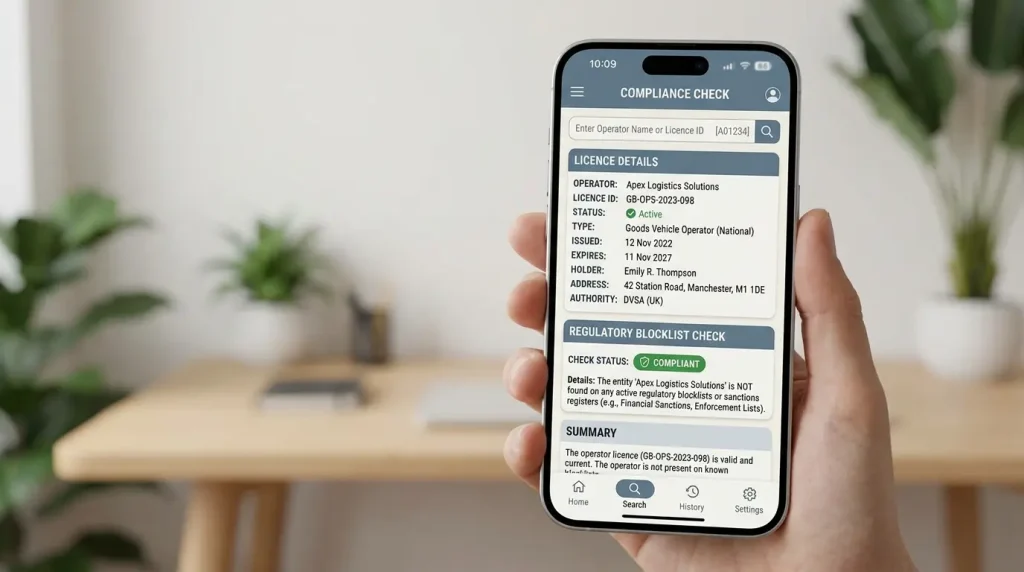
Beyond licensing, look for signs of accountability. Is there clear ownership and contact information? Are the terms and conditions accessible and coherent, or buried and contradictory? Does the operator have a track record you can find evidence of? The reason enforcement matters here is that it is active – one licensed operator paid a A$1 million penalty and accepted a two-year independent review of its systems, a reminder that regulators in Australia do pursue serious breaches. An offshore operator faces no such local oversight, which is exactly why your own diligence has to do the work a regulator would otherwise do. If the operator fails the basic transparency-and-licensing test, the checklist ends here and you walk away – no game library or bonus is worth handing money to an operator you cannot verify.
Checking the PayID payment terms
Once the operator clears the trust bar, the second block is specific to how PayID actually works at that site – and this is where a lot of players skip ahead and regret it. The deposit will always be easy; the questions that matter are about everything after.
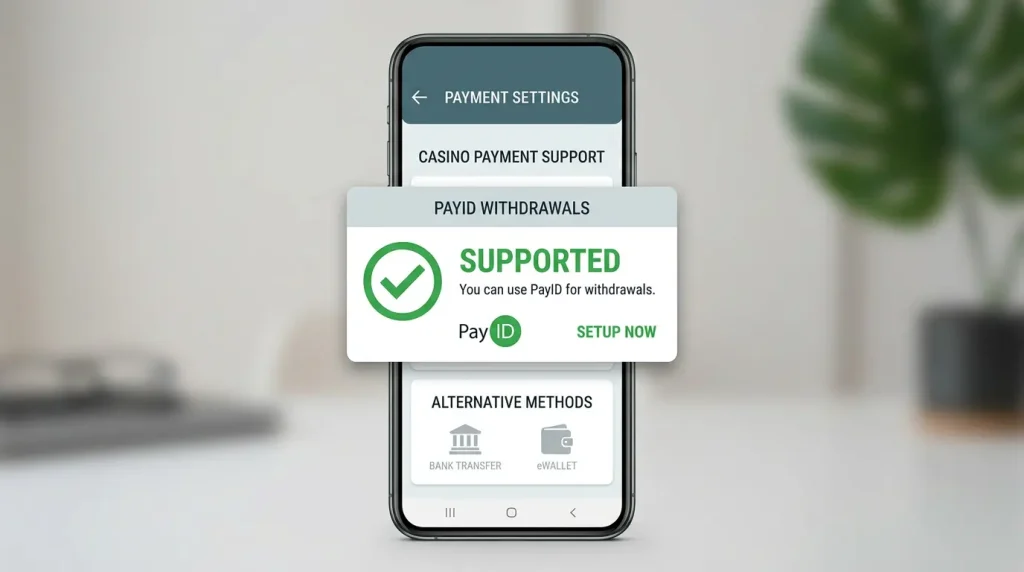
The single most important payment check is whether PayID works for withdrawals, not just deposits. Many operators accept PayID going in but return your winnings by a slower method, so read the withdrawal section of the cashier specifically and confirm how payouts are actually processed. An operator that supports genuine two-way PayID has invested in its payments; one that is vague about withdrawals has told you something. The detail of this deposit-versus-withdrawal asymmetry is covered in our guide to PayID withdrawal or deposit only.
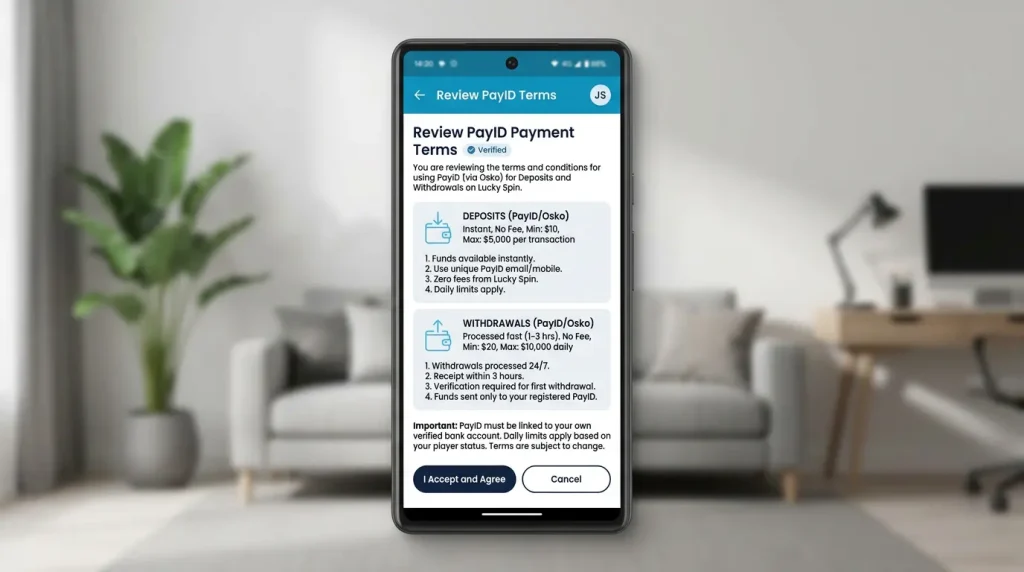
Next, check the limits and fees. Look at the minimum and maximum deposit, and more importantly the withdrawal limits – a low monthly cap can stretch a big win across weeks. Confirm whether the operator adds any deposit or withdrawal fees, since the PayID rail itself is free but operators can layer charges on top. Then check the KYC expectations: a good operator is upfront about what verification it will require and when, so you are not blindsided at withdrawal. Read the bonus terms too if you intend to claim, particularly the wagering requirement and any cashout cap. The aim of this block is to surface every payment-related condition while you can still choose a different operator. A site that makes all of this clear and reasonable is showing you respect; one that hides it is showing you something too.
Protecting yourself before depositing
The final block is about you, not the operator, because even a trustworthy operator does not remove your responsibility to set your own guardrails. These are the steps that protect you regardless of how the operator behaves.
First, set up and verify before you deposit. Have your PayID registered to an account in your own name, with the name matching what you will use at the casino, and complete identity verification early if the operator allows – this moves the slowest step out of your withdrawal path. Second, set your limits in advance: decide your deposit amount, set your bank’s daily transfer limit as a hard ceiling, and consider a bank-level gambling block if you want a firmer brake. Third, test the operator’s support before trusting it with money – send a simple pre-deposit question and judge the speed and quality of the reply, because support you cannot reach is support that will not help when a withdrawal stalls.

Finally, adopt the habits that limit downside. Never leave a large balance sitting with an offshore operator; withdraw winnings promptly rather than letting them accumulate on a site you do not control. Keep your banking app’s record of every transfer, which is your evidence if anything is ever disputed. And read the name check every single time you deposit, treating a clean match as the baseline and anything unexpected as a stop sign. The single most important item on this entire checklist, if I had to pick one, is confirming the operator pays out reliably via a method you can actually use – everything else supports that core question. Run these three blocks before you deposit, every time, and you will have done the work that turns offshore play from a gamble on the operator into a calculated risk you control. Five minutes of checking is the cheapest insurance in this entire field, and it is the habit that protects you long after the novelty of a fast deposit has worn off.
Frequently Asked Questions
What's the single most important thing to check?
Whether the operator pays out reliably via a PayID method you can actually use, since a fast deposit means nothing if your winnings are slow, capped, or hard to retrieve. Reading the withdrawal terms and confirming genuine two-way PayID support is the core check that everything else supports.
How do I test support before depositing?
Send a simple pre-deposit question, such as how withdrawals are processed, and judge the speed and clarity of the reply before trusting the operator with money. Support you cannot reach beforehand is support that is unlikely to help when a withdrawal stalls, so a slow or evasive response is a meaningful warning.
Should I check the ACMA blocklist?
Yes, it is a quick and genuinely useful step, since a large number of illegal operators and affiliate sites have been blocked. Checking whether a site appears on a regulator's blocklist helps you avoid an operator already identified as operating unlawfully, before you risk any money with it.
Guides
PayID vs a Standard Bank Transfer for Casino Payments
PayID vs a standard bank transfer Plenty of people assume PayID and a regular bank transfer are basically the same thing - money moving from one account to another. They…
Which Australian Banks Support PayID
Which banks let you use PayID The short answer to "does my…
NPP and Osko Explained: The Rails Behind PayID
The rails that make PayID instant Most people use PayID for years…
Why PayID Casinos Ask You to Verify Your Identity
Why PayID casinos ask you to verify The first time a casino…
What a PayID No Deposit Bonus Actually Is
What a PayID no deposit bonus is, and isn't The phrase "no…