
The Limits That Shape PayID Casino Payments
 Available in US
The limits that shape PayID casino payments
When a player tells me their PayID “won’t let them deposit more,” I always ask the same first question: which limit are you hitting? Because there are two completely different ones, set by two completely different parties, and treating them as one thing is why people get stuck.
Table of Contents
The first is your bank’s transfer limit – a daily ceiling on how much money you can send out of your account, set by your own bank for your own protection. The second is the operator’s limit – the minimum and maximum amounts the casino allows per deposit or withdrawal, set in its terms. A payment can be blocked by either, and the fix is different depending on which one stopped you.
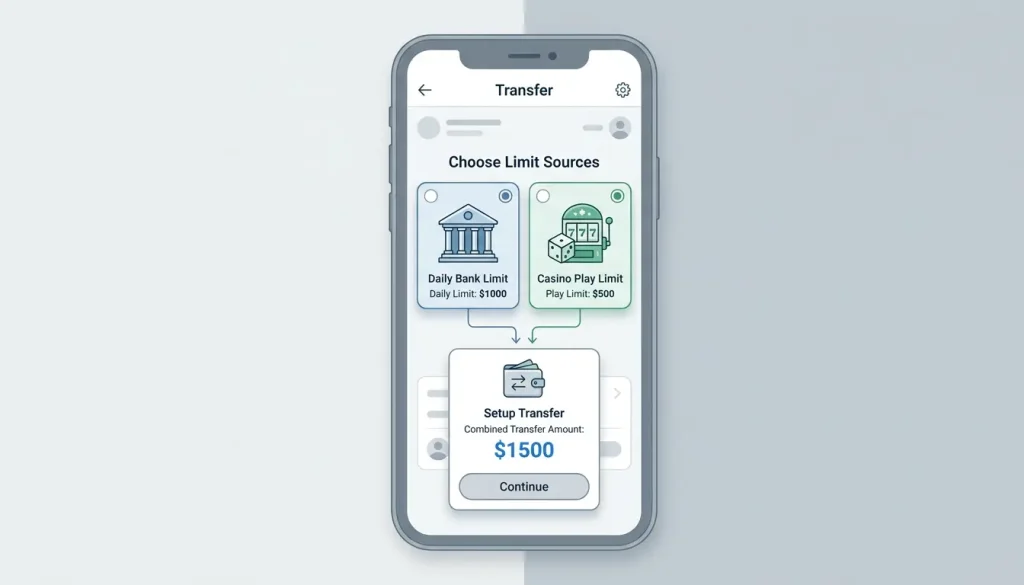
This distinction is the whole point of the article, so I am putting it up front. The PayID rail itself does not impose meaningful limits on you – it is one of the cheapest, most scalable payment systems in the country, with wholesale transaction costs down to around A$0.04. Any ceiling you run into is set by your bank or by the operator, not by the technology. Once you know which one is binding, raising it or working within it becomes straightforward. I will cover both sources, how they differ between deposits and withdrawals, and how to manage them sensibly.
Bank-set transfer limits
Your bank’s daily transfer limit is the one most people forget exists until it stops them mid-deposit, usually on the day they wanted to move a larger amount. It is not a PayID feature – it is a control your bank applies to all outbound payments, and PayID transfers count toward it like any other.
Most Australian banks set a default daily limit on the total you can send to external parties, often somewhere in the low thousands, though the exact figure varies widely by bank and account type. Some banks apply different limits to different payment channels, and some apply lower limits to payments made outside normal hours or to new payees, as a fraud-control measure. When your transfer is refused and your bank is the one saying no, this ceiling is the usual reason.
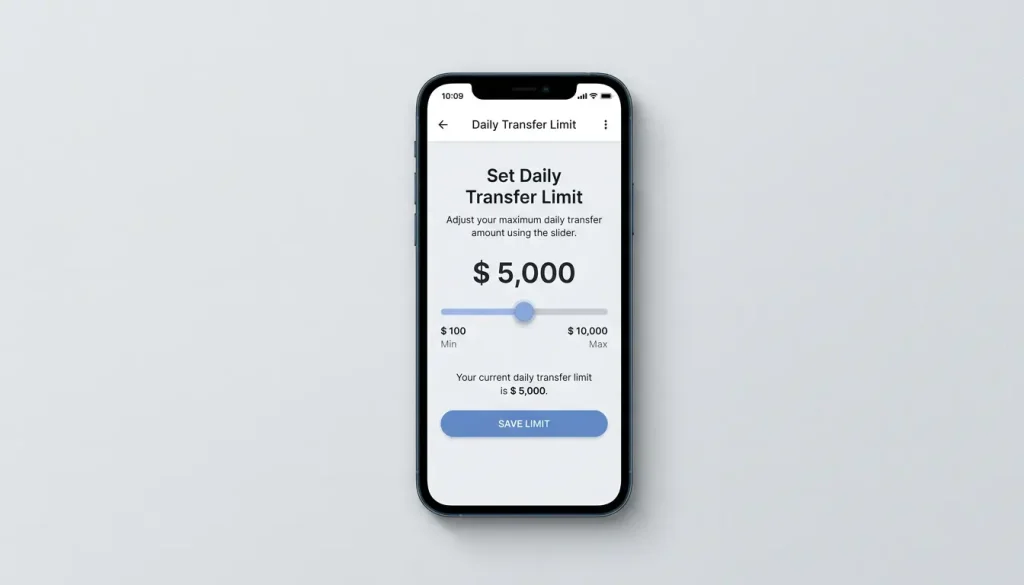
The reassuring part is that this limit reflects caution on your bank’s side, not any strain on the payment system. The rail handled around 1.6 billion transactions in a single recent year and is built for volume that dwarfs anything an individual player would attempt, so the system is never the bottleneck – your personal daily cap is. The good news is that this is the most adjustable of all the limits we will discuss: most banks let you raise or lower your daily transfer limit directly in the app, sometimes instantly and sometimes after a short security step. If a large legitimate transfer is being blocked, this is the first place to look, and usually the easiest to fix. Just be deliberate about it – a limit you set lower can also be a useful self-imposed control, a point I will come back to.
Operator deposit and withdrawal limits
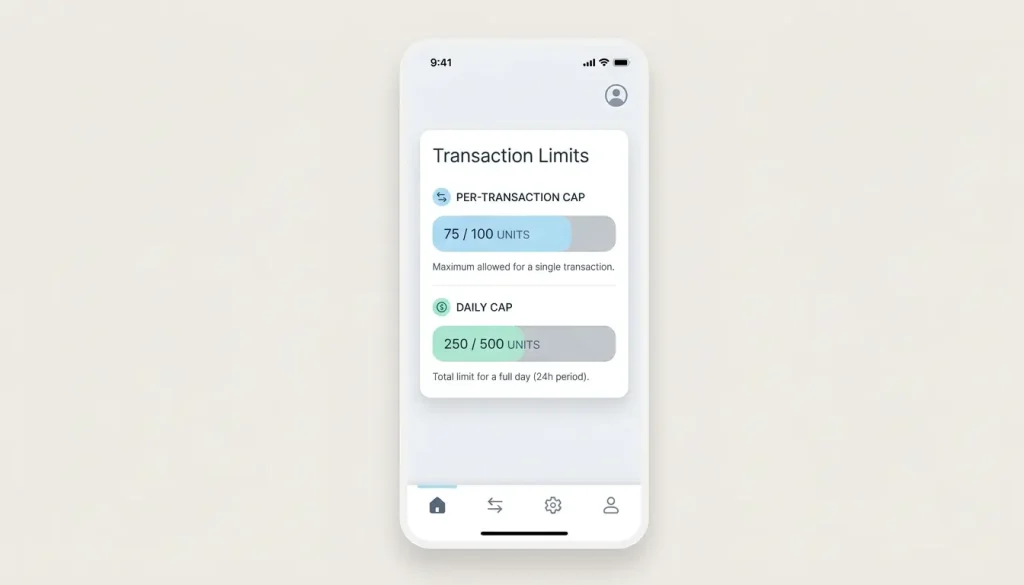
The operator’s limits are the second source, and they behave differently from your bank’s because they serve a different purpose. Where your bank limits how much money can leave your account, the casino limits how much can move per transaction and over set periods, in both directions.
On deposits, an operator sets a minimum – commonly around A$10 to A$20 – and a maximum per transaction, and sometimes a daily or weekly deposit ceiling on top. A deposit below the minimum or above the maximum simply will not process, which catches people who try to deposit a few dollars or move a large sum in one go. On withdrawals, operators frequently set their own limits too: a minimum withdrawal amount, a maximum per transaction, and often a maximum per day, week or month that can meaningfully slow down cashing out a large balance.

Those withdrawal ceilings are the ones worth reading before you ever deposit, because they determine how long it takes to get a big win out. An operator with a low monthly withdrawal cap can stretch a sizeable payout across many separate transactions over weeks, regardless of how fast the rail is. This is a terms-and-conditions detail, not a technology one, and it varies enormously between operators – which is precisely why I treat the withdrawal limits as a vetting signal. The cost of moving the money is trivial; the operator’s willingness to let you move it quickly is the thing that actually matters, and it is spelled out in the limits. The relationship between these limits and the fees an operator may layer on top is covered in our guide to PayID casino fees.
Raising or working within your limits
Managing limits well is partly about raising the ones that get in your way and partly about deliberately keeping others low – and the second of those is the one almost nobody talks about. A limit is not only an obstacle; it can be a tool.
On the practical side: if your bank’s daily transfer limit is blocking a legitimate payment, raise it in your banking app, but raise it to what you actually need and consider returning it afterward. Operator limits are not negotiable in the same way – they are fixed in the terms – but you can work within them by splitting a larger movement across the periods they allow, or by choosing an operator whose limits suit the way you intend to play in the first place.
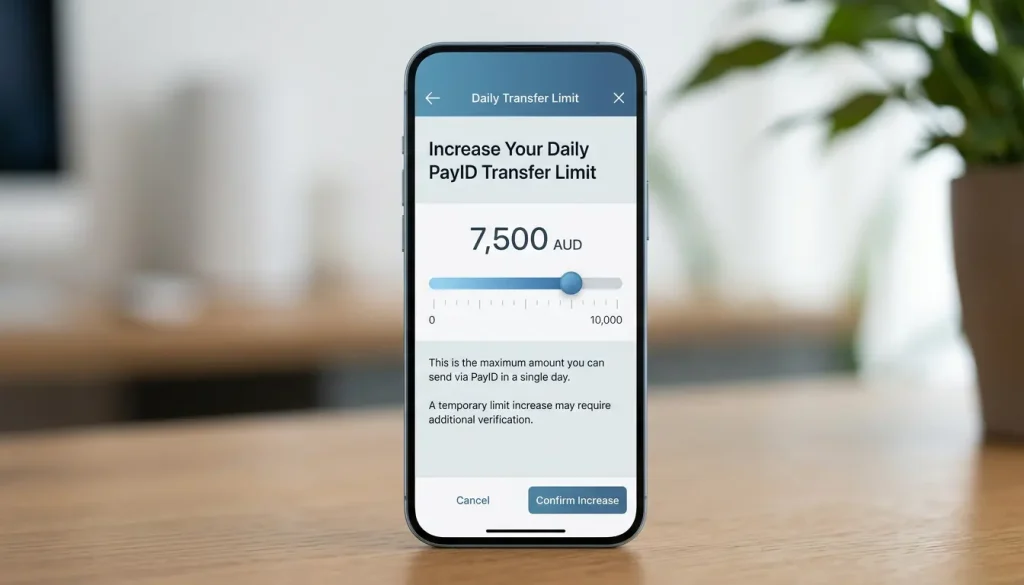
The more interesting use of limits is protective. The same daily transfer ceiling that occasionally annoys you is also a hard, bank-enforced brake on how much you can move in a single day – and setting it deliberately low is one of the simplest spending controls available. As Anna Bligh of the Australian Banking Association has noted, the new protective technology being built into the banking sector is critical to keeping customers from sending money straight into the wrong hands. The same protective instinct applies to the limits you set on yourself: a sensible daily cap means a bad night cannot become a catastrophic one, because the rail will simply refuse to carry more than you allowed it to. I encourage players to think of their bank limit not just as a setting to raise when convenient, but as a quiet, always-on guardrail they control. Raise it when you have a real reason; keep it modest the rest of the time.
Frequently Asked Questions
Can I raise my daily PayID limit?
You can raise your bank's daily transfer limit, which PayID transfers count toward, usually directly in your banking app and sometimes instantly. Operator deposit and withdrawal limits are fixed in the casino's terms and cannot be raised, so you work within those rather than adjusting them.
Do limits differ for deposits and withdrawals?
Yes. Operators typically set separate minimums and maximums for each, and withdrawal ceilings often include per-day, per-week or per-month caps that can slow cashing out a large balance. Reading the withdrawal limits before depositing tells you how quickly a big win could actually be paid out.
Why is my limit lower at night?
Some banks apply reduced transfer limits outside normal hours or to new payees as a fraud-control measure. This is a bank policy rather than a PayID restriction, so the lower nighttime ceiling comes from your institution's risk settings, not the payment rail.
Guides
PayID vs a Standard Bank Transfer for Casino Payments
PayID vs a standard bank transfer Plenty of people assume PayID and a regular bank transfer are basically the same thing - money moving from one account to another. They…
What PayID Actually Costs You at a Casino
What PayID actually costs you The good news is short and worth…
How PayID Deposit Bonuses Are Structured
How PayID deposit bonuses are structured A matched deposit bonus is the…
PayTo and PayID: How They Differ
PayTo and PayID: how they differ If PayID is the present of…
What a PayID No Deposit Bonus Actually Is
What a PayID no deposit bonus is, and isn't The phrase "no…