
The Credit Card and Crypto Ban for Gambling in Australia
 Available in US
The ban on credit cards and crypto for betting
On 11 June 2024, a rule took effect in Australia that quietly reshaped how money flows into legal betting – and, by extension, why so many players gravitated toward PayID. From that date, licensed betting operators were barred from accepting credit cards, credit-linked products, and cryptocurrency. The reasoning was straightforward: you should not be able to gamble with borrowed money or with assets the regulator cannot adequately trace.
Table of Contents
The logic behind the ban is worth stating plainly because it explains everything that follows. Credit cards let people bet money they do not have, which is precisely the mechanism that turns a bad night into a debt spiral. Cryptocurrency, meanwhile, sits outside the regulated, traceable banking system in ways that complicate anti-money-laundering oversight. Removing both from licensed betting was a deliberate push toward funding methods that draw on money you actually hold, in a system that can see the transaction.
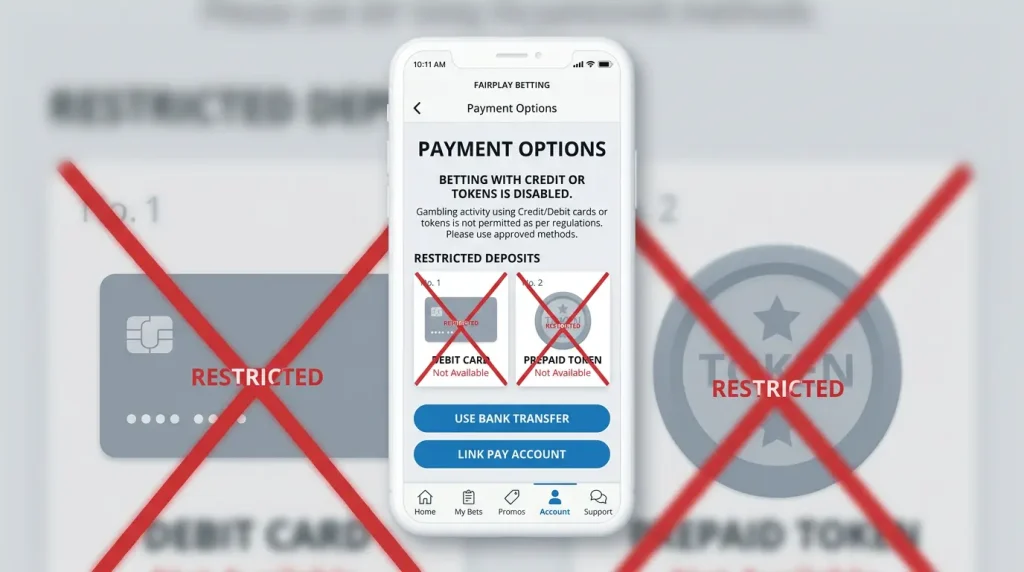
That push lands squarely in PayID’s favour, because PayID debits money you already have, from an account in your own name, on a fully traceable rail. This piece explains exactly what changed on that date, why the ban steers players toward methods like PayID, and how well operators have actually complied. It is a regulatory story, but it is also a practical one – the rules about what you cannot use are the reason the method you can use looks the way it does.
What changed on 11 June 2024
The change itself was specific and dated, which is unusual enough in regulation to be worth pinning down precisely. As of 11 June 2024, the prohibition on credit cards, credit-related products, and digital currency for licensed interactive wagering came into force, closing a gap that had let people fund betting with borrowed money.
It is important to be clear about scope, because this is where confusion creeps in. The ban applies to licensed betting operators – the lawful, regulated wagering services such as those offering sports and race betting. It covers credit cards and credit-linked payment products, so you cannot put a bet on a line of credit, and it covers cryptocurrency. What it does not ban is funding from money you actually hold: debit cards and account-based methods that draw on your own balance remain available, because the concern was never with spending your own money – it was with borrowing to gamble and with untraceable assets.
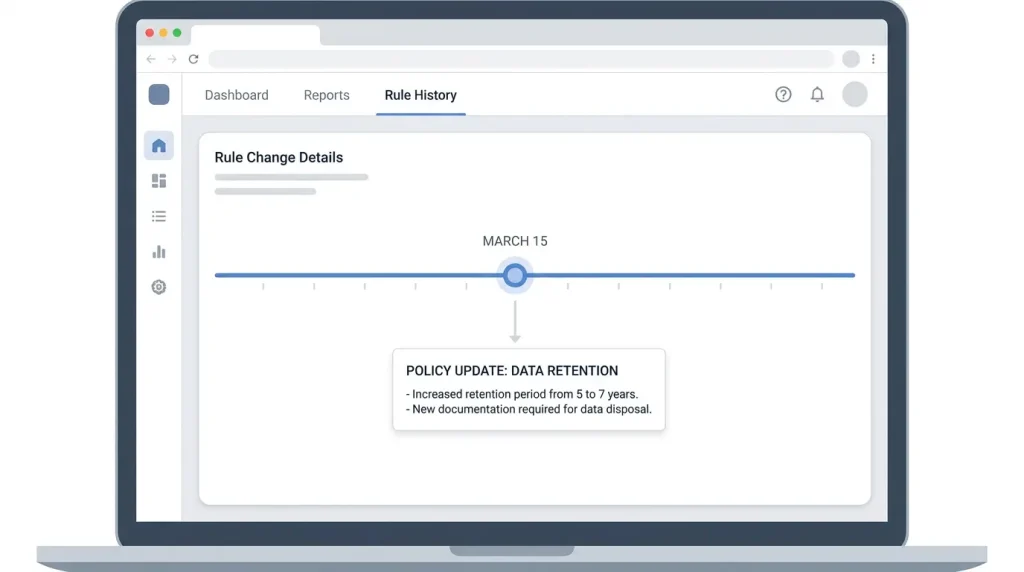
The motivation behind drawing the line here connects to a much larger concern about where gambling money goes and comes from. Brendan Thomas of AUSTRAC has put the stakes bluntly, arguing that enabling laundering enables criminals to keep importing illicit drugs, committing more crimes, and causing more harm in communities. Cryptocurrency’s place on the banned list reflects exactly that worry – a funding method that obscures the trail is a funding method that makes the laundering job easier. So the 11 June change was not an isolated consumer-protection tweak; it was one piece of a broader effort to keep both borrowed money and untraceable money out of regulated gambling. Understanding that dual purpose – protecting players from debt and protecting the system from dirty money – explains why the line was drawn exactly where it was.
Why the ban pushes players toward PayID
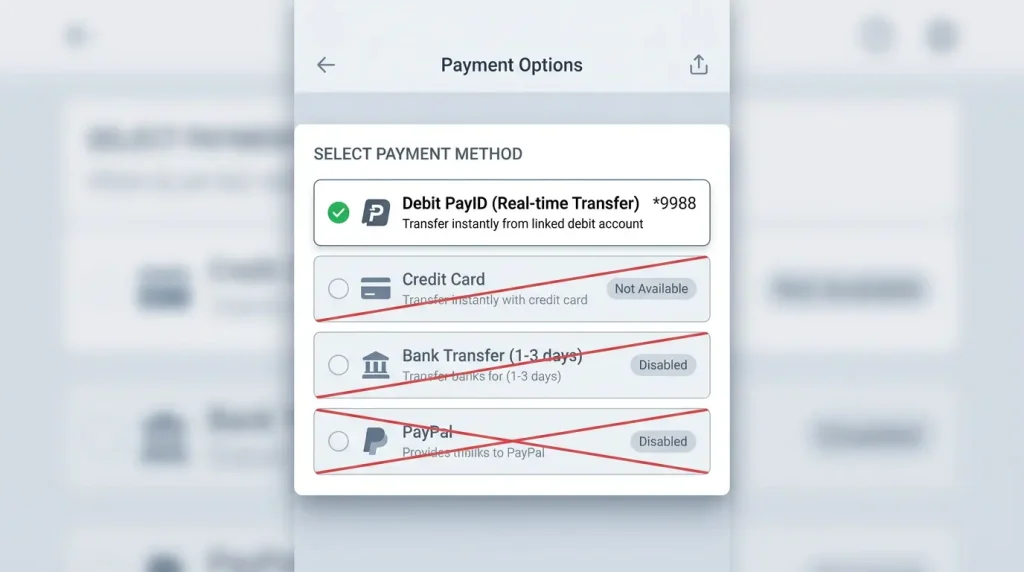
Once you remove credit cards and crypto from the table, the question becomes: what is left, and which of the remaining options fits the new rules most naturally? PayID is close to a perfect match for the environment the ban created, and that is no accident.
Consider what the ban was trying to achieve and how PayID measures up against each goal. The ban wanted to stop people gambling with borrowed money – PayID debits your own account balance directly, so you can only spend money you actually have. The ban wanted traceable transactions within the regulated system – PayID runs on regulated, account-linked national infrastructure where every transfer leaves a clean record. The ban wanted to push out funding methods that complicate oversight – PayID is about as visible and conventional as a payment can be.
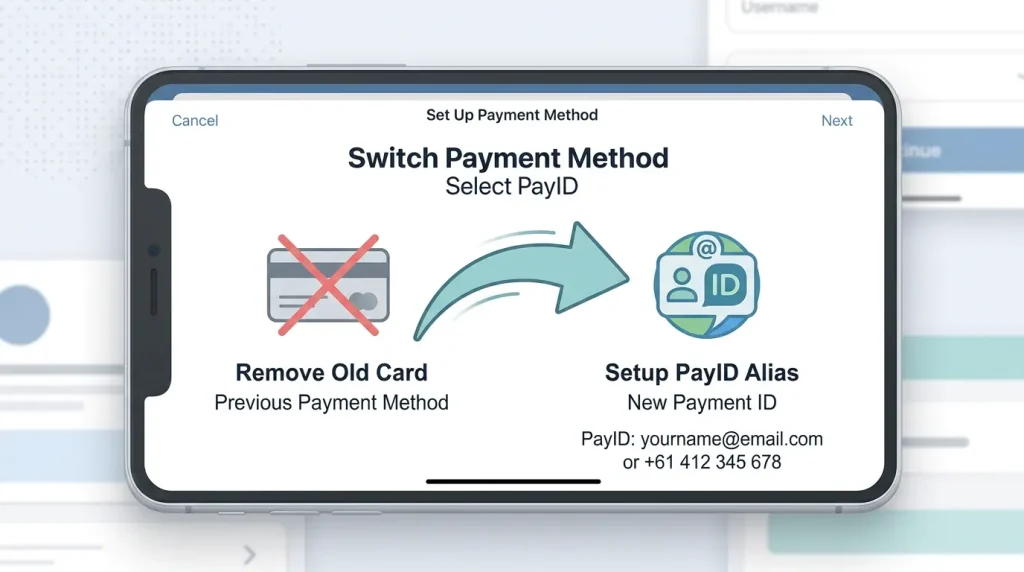
In other words, PayID does not just survive the new rules; it embodies their spirit. It is a debit-from-your-own-account method on a traceable rail, which is exactly the kind of funding the regulator was steering people toward when it closed off credit and crypto. This is part of why PayID’s growth and the tightening of gambling payment rules have moved in the same direction – the regulatory environment increasingly favours precisely the characteristics PayID has. For players, the practical upshot is that PayID is not merely an allowed alternative to the banned methods; it is arguably the funding method most aligned with where the rules are heading. That alignment also means PayID is unlikely to face the kind of restriction that hit credit and crypto, because it already does what the regulator wants. The broader cost picture of using it – and how it compares with the methods now restricted – is covered in our guide to PayID casino fees.
How well operators comply
A rule is only as good as its enforcement, so the natural question is whether licensed operators actually stopped accepting the banned methods or just paid the change lip service. The evidence points to genuine compliance, which tells you something about the seriousness of the regime.
The regulator assessed the level of compliance with the credit card and crypto ban among licensed operators as very high – meaning the prohibition was not a paper rule that operators quietly ignored, but one they implemented in practice. That high compliance among the lawful, licensed sector is the expected outcome, because those operators have licences to protect and face real consequences for breaching the rules. For the regulated wagering you can legally use, the banned methods are genuinely gone.

There is a crucial caveat, though, and it is the same one that runs through this whole topic. High compliance applies to licensed operators. Offshore online casinos targeting Australians are not licensed here in the first place, so they sit outside this compliance picture entirely – they may still advertise crypto or other methods precisely because they are not playing by the rules. The growth of consumer protection tools in the regulated space reflects how seriously the framework is taken; nearly 45,000 self-exclusions sat on the national register by mid-2025, a sign of an infrastructure built to take harm seriously. But that infrastructure governs the licensed sector, not the offshore one. So when you see an offshore casino still touting credit or crypto, read it not as the ban failing but as a marker that you are dealing with an operator outside the compliant, licensed system altogether. The compliance is real where the licences are; the absence of compliance is itself information about where an operator stands.
Frequently Asked Questions
Does the ban cover debit cards too?
No. The prohibition targets credit cards, credit-linked products and cryptocurrency, not money you actually hold, so debit cards and account-based methods that draw on your own balance remain available. The concern was with borrowing to gamble and with untraceable funds, not with spending your own money.
Why is crypto banned for licensed betting?
Cryptocurrency sits outside the regulated, traceable banking system in ways that complicate anti-money-laundering oversight, which is the central reason it was included in the ban. Keeping funding inside visible, account-linked rails makes the financial trail far easier to follow.
Does this apply to offshore casinos?
No, because offshore online casinos targeting Australians are not licensed here and therefore sit outside the compliance regime entirely. An offshore operator still advertising credit or crypto is not evidence the ban failed but a marker that you are dealing with an operator outside the lawful, licensed system.
Guides
Keeping PayID Play Under Control
Keeping PayID play under control There is one feature of PayID that almost nobody markets, and it is the one I value most: every transfer you make shows up, plainly…
Can You Actually Withdraw With PayID, or Only Deposit?
Can you actually withdraw with PayID? Here is a frustration I hear…
How Long Does a PayID Withdrawal Take?
A straight answer on PayID payout timing I will not bury the…
What PayID Actually Costs You at a Casino
What PayID actually costs you The good news is short and worth…
How to Set Up PayID Before You Play
Setting up PayID before you play Setting up a PayID is one…