
What Confirmation of Payee Does in Australia
 Available in US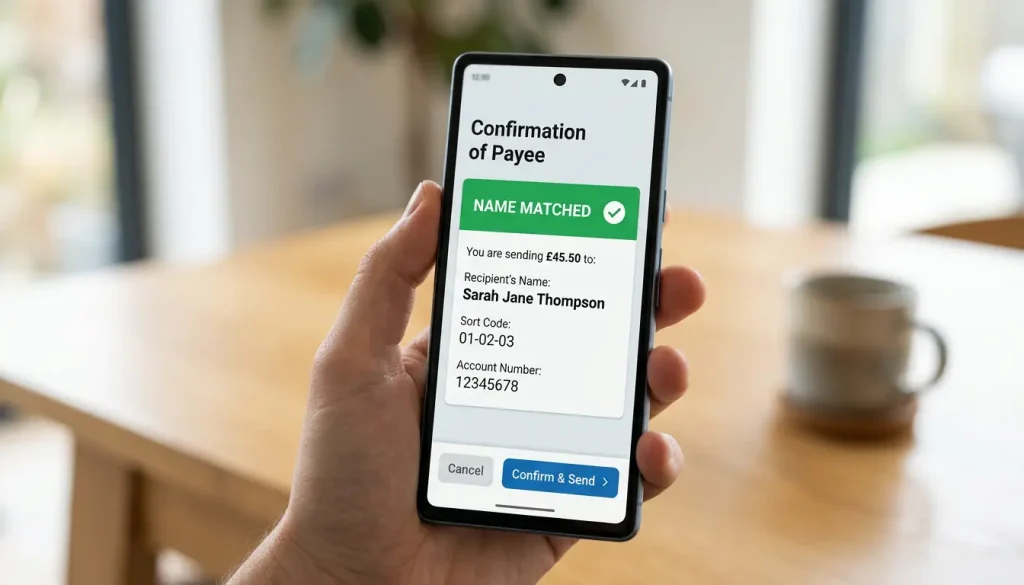
What Confirmation of Payee does
For years, sending money in Australia worked like posting a letter with only a postcode – you entered a BSB and account number, hit send, and trusted that the digits pointed at the right person. You never saw who you were actually paying. Confirmation of Payee, the name-check layer now rolling out across the banking sector, finally puts a name on the envelope before you let go of it.
Table of Contents
In plain terms, Confirmation of Payee checks the name attached to the account you are about to pay and tells you, before you confirm, whether it matches who you think you are paying. You get one of three results: a match, a close match, or no match. That single moment of feedback – seeing “this PayID belongs to a name that looks right” or “this does not match at all” – is a profound change from the old blind system, where a mistyped digit or a scammer’s account number sailed through unchecked.
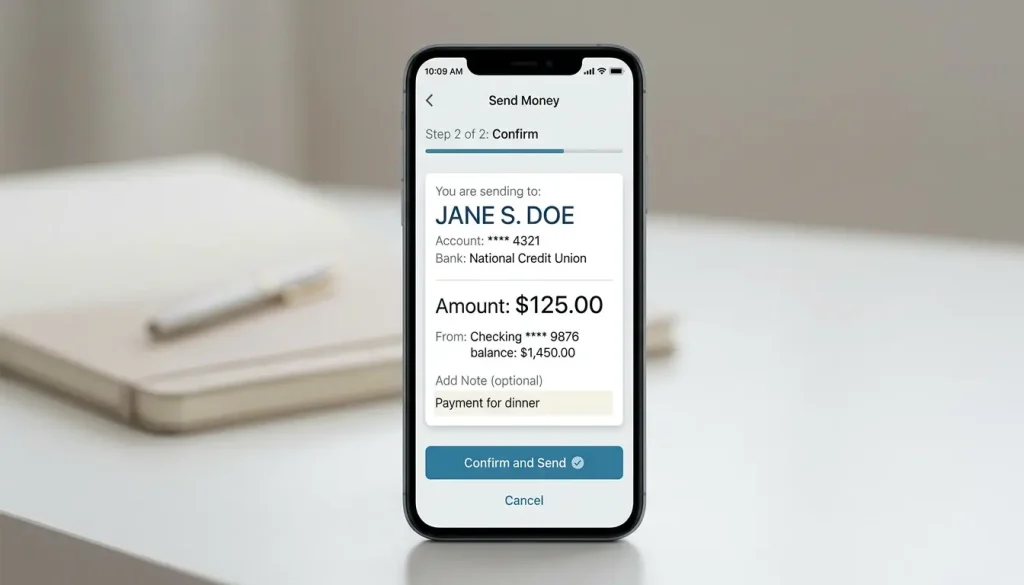
The reason this matters for anyone moving money, including casino players funding a deposit, is that it attacks the two oldest problems in payments at once: honest mistakes and deliberate deception. This piece explains how the three results work, the measurable difference name-checking has already made, and what it specifically means when you are paying a casino’s PayID. The technology is simple to use and quietly powerful, and once you have relied on it a few times, the old blind way feels reckless.
Match, close match and no match
The whole system reduces to three answers, and learning to read them correctly is the only skill it asks of you. Each one means something specific, and the right response to each is different.
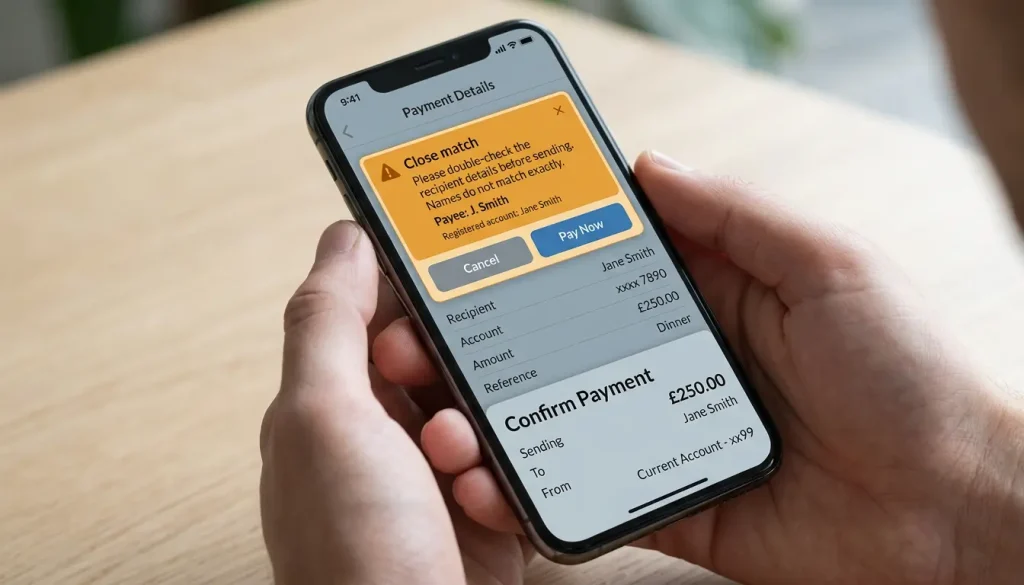
A match means the name registered to the account or PayID you entered aligns with the name you typed or expected. This is the green light – the payment is going where you think, and you can proceed with confidence. A close match means the name is similar but not identical: perhaps a shortened first name, a middle initial difference, or a business trading name versus a registered one. This is the amber signal, and it asks you to think. Often a close match is perfectly innocent – “Rob” versus “Robert” – but it is also exactly where a clever scammer hides, using a name close enough to pass a glance. The correct response is to check, not to assume.
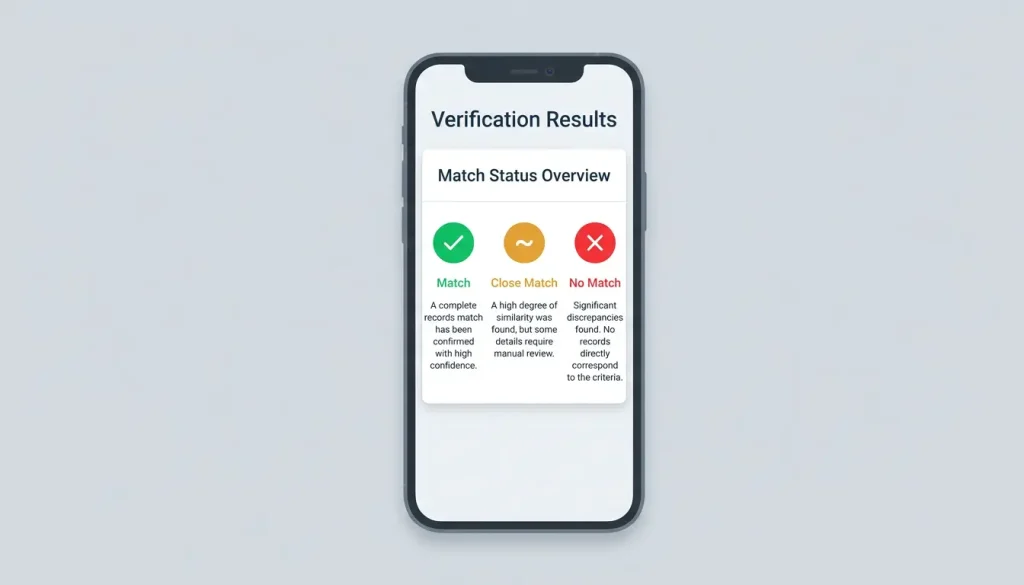
A no match means the registered name does not align with what you expected at all. This is the stop sign. It does not always mean fraud – you might simply have the wrong details – but it means you should not proceed until you have confirmed who you are actually paying. The power of this system is not that it blocks payments; it does not. It is that it surfaces information at the exact moment you can still act on it. And people do act: research into PayID found that one in four users stopped or adjusted a payment after seeing the recipient’s name before sending. That is a quarter of users catching something they would otherwise have missed, simply because the name appeared at the right moment. The three results turn an irreversible blind transfer into an informed decision.
The measurable impact on misdirected payments
I am wary of security tools that sound good in theory and do nothing in practice, so what convinced me about Confirmation of Payee was the numbers – both the scale of its use and the effect seen where similar systems ran first. This is not a hopeful experiment; it is a measured intervention.
The uptake alone tells you something. Confirmation of Payee was used by Australians more than 100 million times since its launch in July 2025 – a volume that means it has rapidly become part of how the country pays, not a niche feature buried in settings. People are seeing these name checks on ordinary transfers every day, often without consciously noticing the protection working.
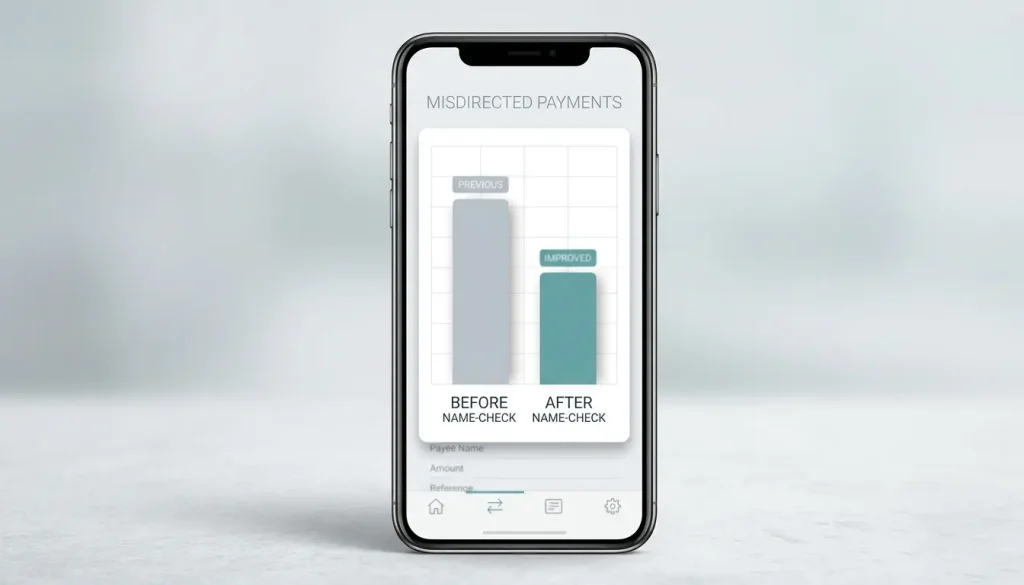
The effect is best illustrated by where the model was tested earlier. In the Netherlands, an equivalent name-check system was associated with an 81% drop in impersonation fraud and a 67% reduction in misdirected payments – enormous figures that show what happens when you give people the recipient’s name before they commit. Anna Bligh of the Australian Banking Association has framed Australia’s rollout in similar terms, noting that once complete, the country will be among only a handful worldwide to have this technology in place across the entire banking sector. That sector-wide coverage is the part that makes the difference; a name check only helps if it appears no matter which bank you or the recipient use. The combination of massive everyday use and a proven fraud-reduction effect is why I consider this one of the most consequential quiet changes to Australian payments in years. It works because it is everywhere, and it is everywhere by design. For the scams it is built to stop, our guide to PayID scam protection covers the human side of the defence.
What it means for casino deposits
When you go to deposit at a PayID casino, Confirmation of Payee gives you a piece of information you never used to have: the name behind the alias the operator told you to pay. That single line of text is worth pausing on, because it is a small but genuine integrity check on the operator.
When you enter the casino’s PayID in your banking app, the name check returns the registered account name for that alias before you confirm. A legitimate operator’s PayID typically resolves to a recognisable payment processor or billing entity name. If it returns something coherent and plausible, that is consistent with a real payment setup. If it returns a random personal name, gibberish, or nothing at all, that is a signal worth heeding – you are about to send money to an account that does not look like a casino’s, and proceeding blindly is exactly the behaviour the name check exists to prevent.
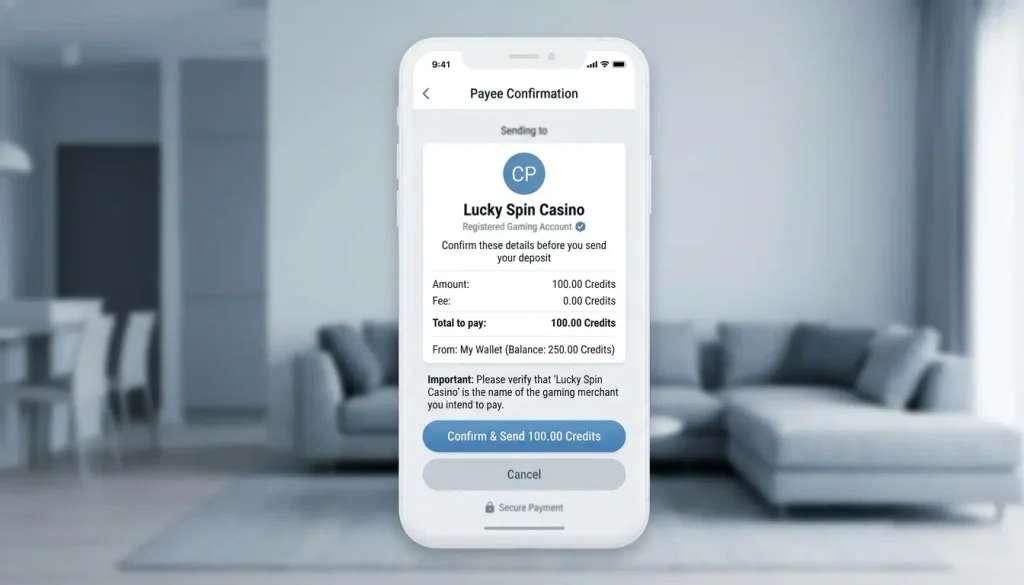
This does not make a casino trustworthy on its own – a name match confirms where the money is going, not whether the operator will treat you fairly. But it closes one specific gap that used to be wide open: paying an alias with no idea who held the account behind it. With near-universal coverage of personal accounts targeted across the banking sector, the name check is increasingly a standard part of any PayID payment, casino deposits included. My advice is simple: read the name your bank shows you every single time, treat a clean match as a baseline expectation rather than a pleasant surprise, and let anything unexpected stop you in your tracks. It costs you a half-second of attention and occasionally saves you the entire deposit.
Frequently Asked Questions
What happens if I get a no match?
A no match means the registered name does not align with who you expected to pay, and it is a signal to stop and verify before proceeding. It does not always indicate fraud, since you may simply have entered the wrong details, but you should not complete the payment until you have confirmed who actually holds the account.
Does Confirmation of Payee cover business payee names?
Yes, the check can return a close match when a business trades under a name different from its registered one, which is a common and often innocent reason for an amber result. The system surfaces the registered name so you can judge whether a business-name difference is expected or worth questioning.
Will it slow my payment down?
Barely. The name check runs in the moment before you confirm and adds only a brief step to read the result, while the payment itself still settles in seconds on the underlying rail. The small pause to read a name is the entire point, and it does not delay the transfer once you proceed.
Guides
The Limits That Shape PayID Casino Payments
The limits that shape PayID casino payments When a player tells me their PayID "won't let them deposit more," I always ask the same first question: which limit are you…
PayID vs a Standard Bank Transfer for Casino Payments
PayID vs a standard bank transfer Plenty of people assume PayID and…
Are Gambling Winnings Taxed in Australia?
Are gambling winnings taxed in Australia? This is one of the few…
Why Money Laundering Shapes Casino Rules
Why money laundering shapes casino rules Every time a casino asks where…
Using PayID on Mobile at a Casino
Using PayID on mobile PayID was born on the phone. It lives…