
When PayID Is Not Working at a Casino
 Available in US
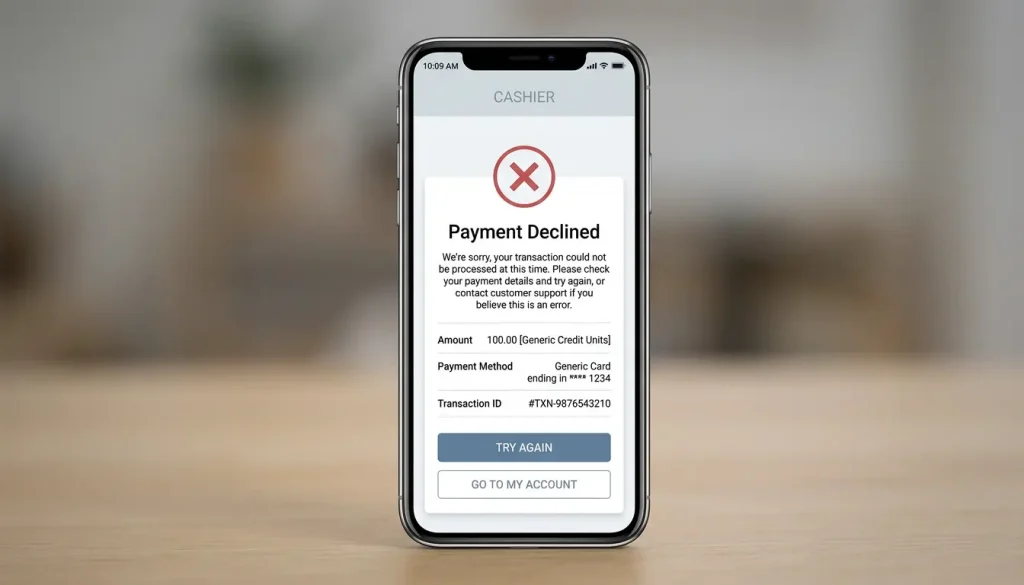
When a PayID casino payment won’t go through
When a PayID payment fails at a casino, the panic is almost always worse than the problem. In nine years of troubleshooting these for players, I can count on one hand the times the cause was anything genuinely alarming. The overwhelming majority come down to three things, and you can usually identify yours in under a minute.
Table of Contents
Those three are: a transfer limit you have hit, a block your own bank has placed on gambling-associated payments, or a wrong or outdated PayID alias. That is it for the bulk of cases. None of them means your money is lost, and all of them are fixable once you know which one you are looking at. The trick is to stop retrying blindly and instead match your symptom to the cause.
I lead with that list deliberately so you can scan it and recognise your situation immediately rather than reading a wall of theory first. The rest of this piece works through each cause in detail, explains the bank-side blocks that catch a lot of people off guard, and gives you a clean step-by-step for fixing the failure without creating a second problem – like accidentally sending the payment twice. The system itself is overwhelmingly reliable; what fails is usually a setting, a limit, or a typo, and each has a specific remedy.
The most common reasons it fails
Let me take the big three in the order I usually find them, because that order roughly tracks how often each one is the culprit. Working through them systematically beats guessing.
A wrong or outdated alias is the simplest and one of the most frequent. Operators rotate their PayID addresses, and players often pay an old one saved from a previous session, or mistype the alias the casino displayed. When the alias does not resolve, the payment either fails outright or your bank’s name check returns nothing – which is itself a useful warning. Always copy the alias fresh from the current cashier screen rather than relying on memory or an old note.
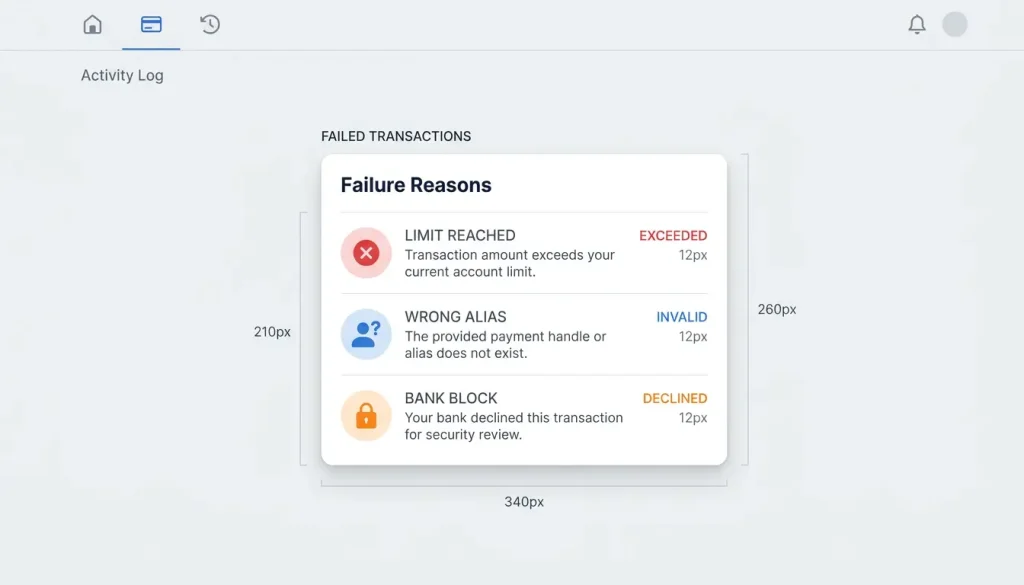
A transfer limit is the second. Both your bank and the operator impose limits, and hitting either stops the payment. Your bank may cap how much you can send in a day; the operator sets minimum and maximum amounts per deposit. A payment that is too large for your daily bank limit, or below the operator’s minimum, simply will not process. The third common cause is a bank-side gambling block, which I will cover in its own section because it surprises people the most. Underpinning all of this is the reassurance that genuine system outages are rare – the platform reaches more than 114 million accounts and runs continuously, so the rail being “down” is almost never your answer. When something fails, look to the alias, the limits, or the bank before you blame the technology.
Bank-side blocks and risk flags
This is the one that catches careful people completely off guard: their bank, not the casino, is the thing stopping the payment. They have done everything right on their end, and the transfer still bounces – because their own institution flagged it.
Australian banks increasingly apply risk filters to payments associated with gambling. The reason is partly regulatory and partly self-interested: since 11 June 2024, licensed betting operators have been barred from accepting credit cards, credit products and cryptocurrency, and banks have correspondingly tightened how they treat gambling-related money movement, screening for the kinds of payments regulators want controlled. A transfer your bank reads as gambling-related can be paused, queried, or declined under these filters, even when the rail itself would happily carry it.
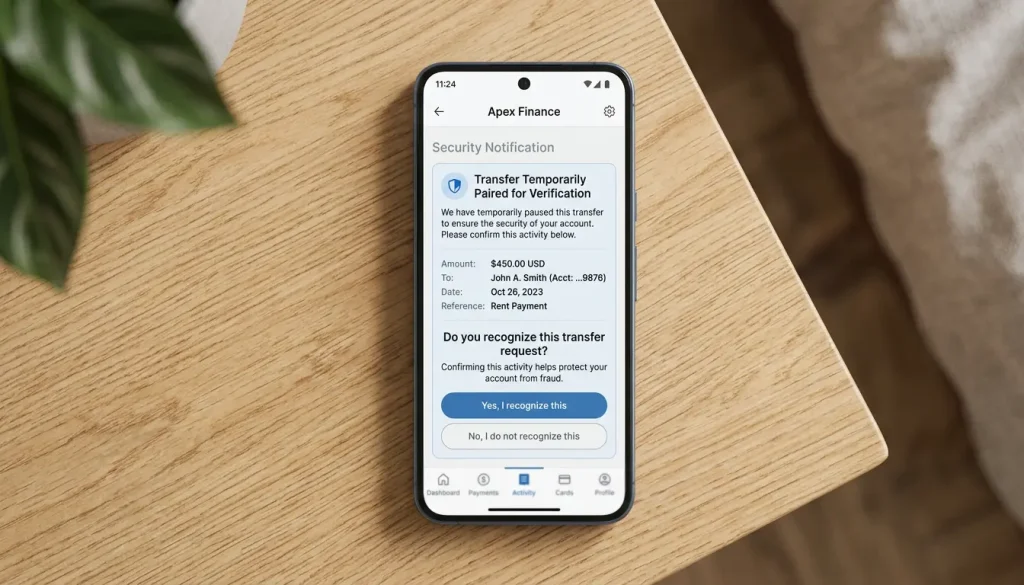
In practice this shows up in a few ways. Some banks block such payments outright as a policy. Others let them through but pause for a security confirmation – a text or in-app prompt asking you to verify the transfer is legitimate and that you are not being scammed. Others apply lower limits to payments they categorise as higher-risk. None of this means you have done anything wrong; it means your bank is exercising its own controls. If a payment is blocked at this layer, the fix is usually to confirm the prompt, or to contact your bank to understand its specific policy – the casino cannot override your bank’s decision, and retrying the same payment will simply hit the same wall. Recognising that the block is bank-side, not casino-side, is what stops you from troubleshooting the wrong end entirely.

Step-by-step fixes
Once you know the likely cause, the fix is methodical, and the single most important rule is this: do not keep retrying a failed payment. Repeated attempts can leave you with two pending transfers to untangle, which turns one problem into two. Work the steps instead.
First, re-copy the PayID alias directly from the current cashier screen and check it character for character against what you are entering in your bank – capitals, dots, the lot. Confirm the amount sits between the operator’s minimum and maximum. Second, when your bank shows the name check, read the registered account name it returns; if it is blank or unexpected, the alias is the problem and you should stop and contact the casino’s support rather than forcing it through. Third, check your daily transfer limit in your banking app and confirm you have not exhausted it, raising it temporarily if your bank allows and you genuinely intend the payment.
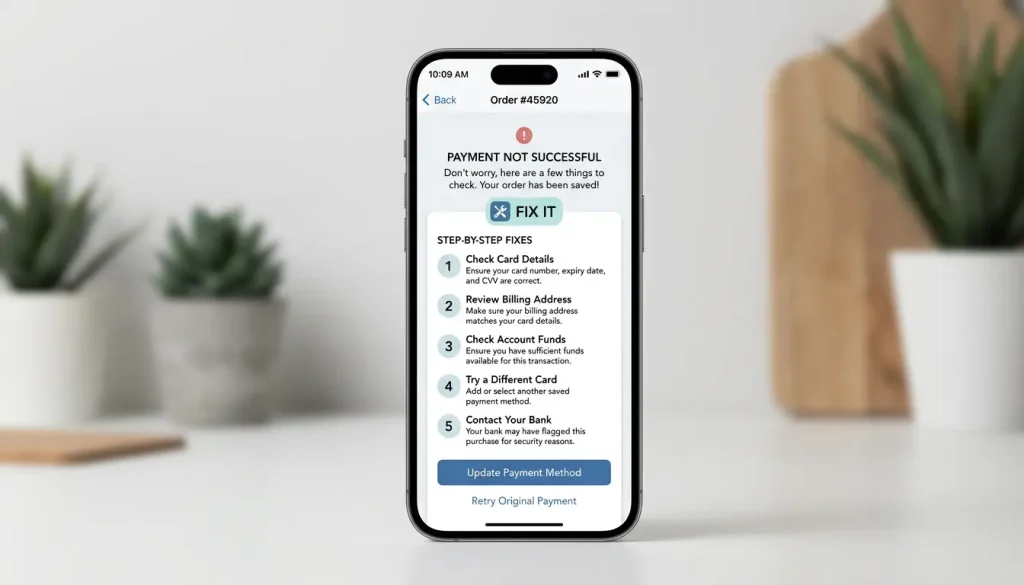
Fourth, if your bank prompted a security confirmation, complete it – many “failures” are simply an unconfirmed prompt sitting in your notifications. Fifth, if the payment still will not go and your bank’s policy is blocking gambling-related transfers, that is a conversation with your bank, not the casino. And finally, if the money did leave your account but the casino has not credited it, that is a different problem – a missing deposit rather than a failed one – and it has its own resolution path covered in our guide to a PayID deposit not received at a casino. Keep your banking app’s transaction record throughout; it is the single piece of evidence that resolves almost every dispute, because it shows precisely whether the money moved at all. Most failures unwind quickly once you stop guessing and start checking in order.
Frequently Asked Questions
Why does my bank block casino PayID payments?
Many Australian banks apply risk filters to gambling-related transfers, partly in response to tightened payment rules and partly as their own policy. The block comes from your bank rather than the casino, so it may require confirming a security prompt or contacting your bank to understand its specific stance.
Is a failed payment ever charged anyway?
A genuinely failed PayID payment does not leave your account, since the transfer only completes when authorised and accepted. If money did leave but the casino shows nothing, that points to a missing deposit rather than a failed one, and your banking transaction record will show which actually happened.
Does an outage cause this?
Rarely. The underlying platform runs continuously across more than 114 million reachable accounts, so genuine outages are uncommon and short. A failure is far more likely caused by a wrong alias, a transfer limit, or a bank-side block than by the system itself being down.
Guides
Are Gambling Winnings Taxed in Australia?
Are gambling winnings taxed in Australia? This is one of the few questions in this whole field with a genuinely cheerful answer for most people: in Australia, recreational gambling winnings…
How a PayID Deposit Works at an Online Casino
Making your first PayID deposit The first time I ever funded a…
Using PayID on Mobile at a Casino
Using PayID on mobile PayID was born on the phone. It lives…
A Pre-Play Checklist for PayID Casinos
A pre-play checklist for PayID casinos After nine years in this field,…
What BetStop Is and Who It Helps
What BetStop is and who it helps Sometimes the most useful tool…