
Keeping PayID Play Under Control
 Available in US
Keeping PayID play under control
There is one feature of PayID that almost nobody markets, and it is the one I value most: every transfer you make shows up, plainly and permanently, in your banking app. No special tool, no effort, no way to fool yourself later. That visibility is a quiet superpower for anyone who wants to keep their play under control, and this article is about using it.
Table of Contents
Unlike cash, which vanishes without a trace, or some other methods that blur into a balance you do not check, a PayID deposit is a dated line item in your own bank record. You can scroll back through a week, a month, a year, and see exactly what gambling actually cost you – not what you remember it costing, which is almost always less. That gap between memory and the record is where a lot of harm hides, and PayID’s traceability closes it.
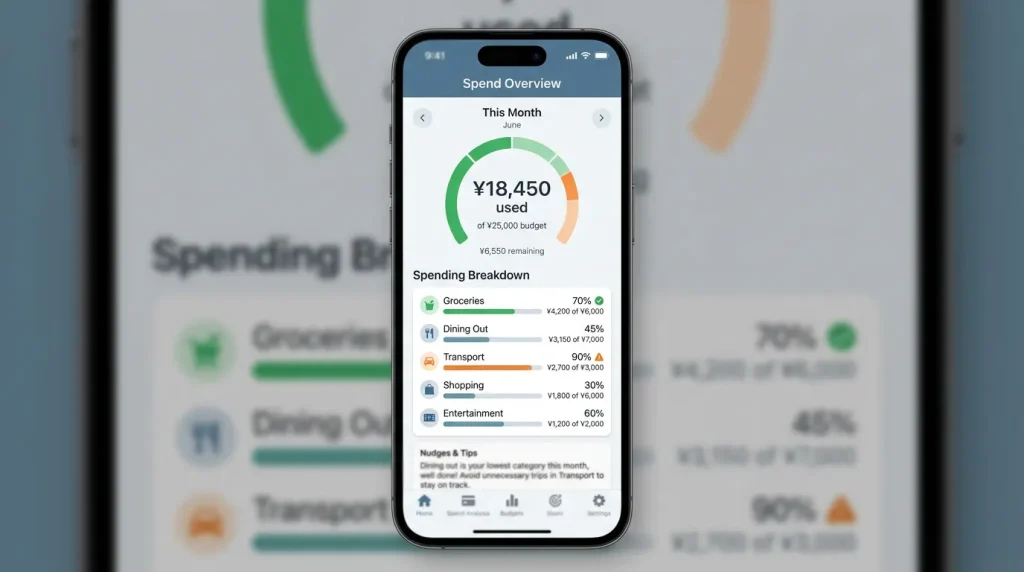
This piece is about control, not about winning, and I want to be clear about that framing from the start. I will cover the genuine scale of gambling harm in Australia so the stakes are honest, how PayID’s built-in traceability can serve as a control rather than just a convenience, and the practical limits you can set – including where to turn for support if play has stopped feeling like a choice. None of this is about judgement. It is about giving you tools, and a clear picture, so the decisions stay yours.
The harm picture in Australia
I am not going to soften the numbers, because a clear-eyed view of the harm is exactly what makes the control tools worth using. Australia’s relationship with gambling is, on the data, one of the most intense in the world, and pretending otherwise would not help anyone.
Start with the headline that frames everything else: average losses per Australian adult run somewhere around A$1,200 to A$1,555, and the country holds the unwanted title of world leader in gambling losses per head. That is not a figure dragged up by a few high-rollers – it is an average across the adult population, which means the typical experience involves real money flowing steadily out. Participation overall has actually been declining, sitting at 58.8% in 2025, which might sound like good news on its own.
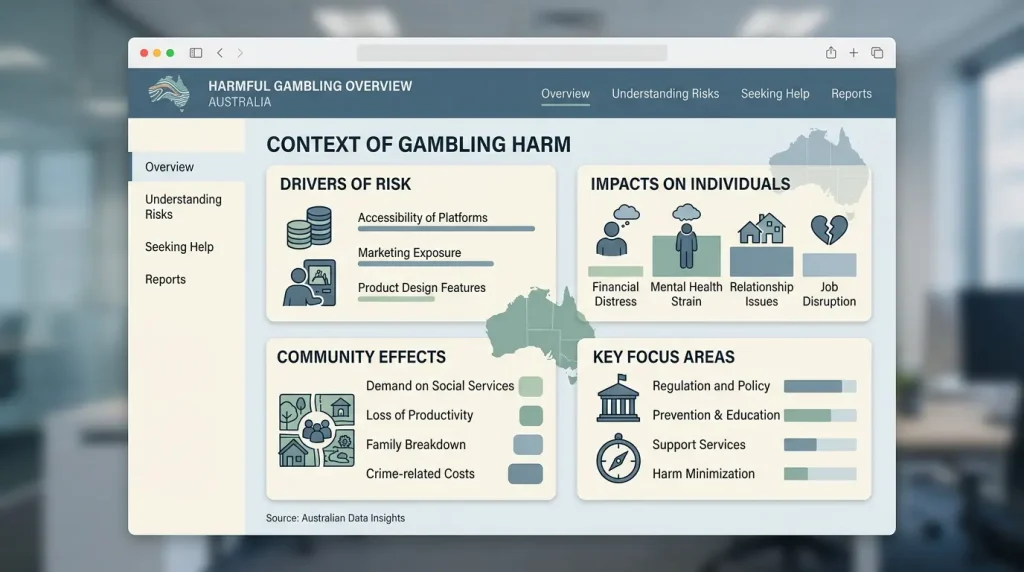
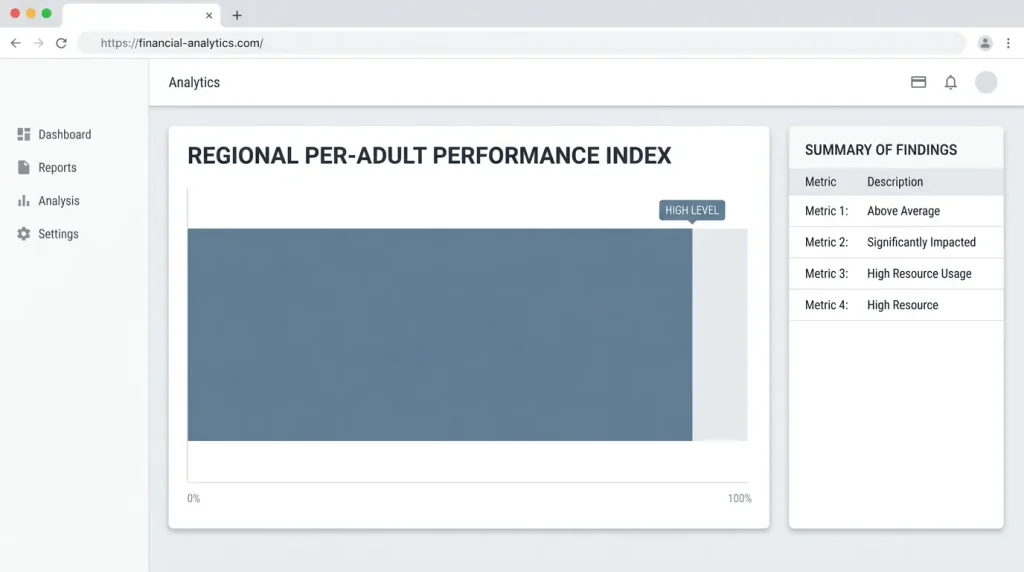
But the participation figure hides a darker trend underneath it, and this is the part that should give anyone pause. Even as fewer people gamble, the share gambling in a risky way rose from 13.7% to 19.4% over a twelve-month span – nearly doubling from the lockdown period. Michelle Pearse of the Australian Christian Lobby has put the human reality behind such figures starkly, noting that behind the numbers are real people, with lives unravelled by an industry that thrives on addiction. The pattern is fewer players, but more concentrated harm among those who do play, and online play is at the centre of that shift. I lay this out not to frighten you off but to make the case that control tools are not for “other people with a problem” – they are sensible defaults in an environment where the harm is real, rising in intensity, and increasingly concentrated. Knowing the picture is the first control of all.
Using PayID’s traceability as a control
Here is where PayID’s overlooked feature becomes genuinely useful. The same traceability that means you cannot gamble anonymously also means you cannot easily hide your spending from yourself – and turned around deliberately, that is one of the most honest control tools available.
The practice is simple and I recommend it to everyone who plays. Once a week, open your banking app and look at your transfers to gambling operators. Add them up. The number is almost always larger than the running total in your head, because individual deposits feel small in the moment and memory quietly rounds them down. Seeing the real figure, in your own bank record, is a regular dose of honesty that no amount of good intention can substitute for. The record does not argue, flatter, or forget.
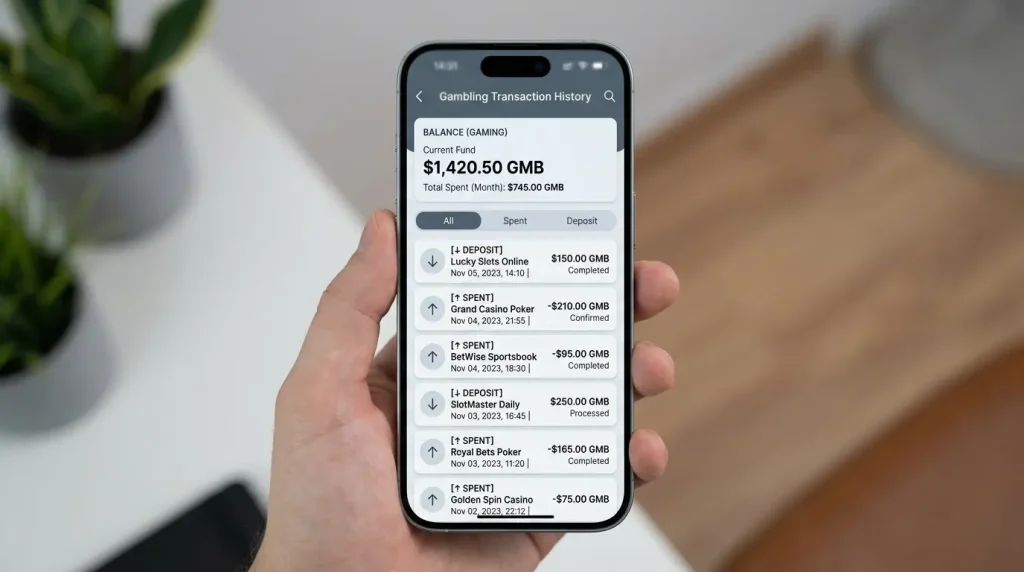
This works precisely because PayID is not anonymous and not cash-like. A deposit is a clear, dated, named transaction – you can see when you played, how often, and how the amounts trend over time. If the weekly total is creeping upward, you will see it before it becomes a crisis, which is the entire value of an early warning. I encourage people to treat that weekly review as a fixed habit, the way you might check a bank balance for any other reason. The convenience of instant deposits cuts both ways, but the traceability only cuts one way – toward clarity – if you actually look. Use the record the operator’s system creates as a record you keep on yourself. It is the cheapest, most reliable control there is, and it is already sitting in your phone.
Setting practical limits and getting help
Awareness is the foundation, but it works best alongside concrete limits that act before you have to rely on willpower in the moment. The strongest controls are the ones you set in advance, when you are calm, so that a difficult evening runs into a barrier you built rather than a decision you have to make under pressure.
Several practical levers are worth setting up. Your bank’s daily transfer limit doubles as a hard ceiling on how much you can move in a day, and setting it deliberately low is a simple, always-on brake. Many Australian banks now offer a specific gambling block that prevents or pauses gambling-related transactions – a powerful tool that works at the source of the money. Deposit limits at the operator level, where offered, cap how much you can put in over a period. And device or app-level blocking can add another layer if the online environment itself is the trigger. Stacking a few of these creates real friction exactly where frictionless play would otherwise carry you.

If play has started to feel less like a choice and more like a compulsion – if you are chasing losses, hiding spending, or feeling unable to stop – that is the point to reach beyond self-set limits and toward support, and doing so is a sign of strength. Talking to someone you trust matters, and dedicated, confidential gambling support services are available across Australia for anyone who wants to talk through where they are, free of charge and without judgement. The national gambling helpline and counselling services exist precisely for this, and reaching out to one is a normal, sensible step rather than a last resort. For a firmer barrier specifically against licensed operators, the national self-exclusion option is covered in our guide to the BetStop self-exclusion register. Whatever combination you choose, the goal is the same: keep the decisions yours, set the limits while you are clear-headed, and remember that asking for help is always available and always allowed.
Frequently Asked Questions
Can I set a PayID transfer limit for gambling?
You can set your bank's daily transfer limit, which PayID transfers count toward, as a hard ceiling on how much you can move in a day. Many Australian banks also offer a dedicated gambling block that pauses or prevents gambling-related transactions at the source, which is a stronger and more targeted control.
Does PayID make spending easier to track?
Yes, and this is one of its most useful features for staying in control. Every PayID deposit appears as a dated, named line in your banking app, so a weekly review of your transfers gives you an honest, complete picture of what gambling actually cost rather than relying on memory.
Where can I get support?
Confidential gambling support and counselling services are available across Australia, free of charge, including a national helpline for anyone who wants to talk through their situation without judgement. Reaching out to a support service, or talking to a trusted person, is a normal and sensible step rather than a last resort.
Guides
Which Australian Banks Support PayID
Which banks let you use PayID The short answer to "does my bank support PayID" is almost certainly yes, and I can say that with confidence because the system was…
Why ACMA Blocks Casino Sites
Why ACMA blocks casino sites If a casino site you have used…
When PayID Is Not Working at a Casino
When a PayID casino payment won't go through When a PayID payment…
How PayID Deposit Bonuses Are Structured
How PayID deposit bonuses are structured A matched deposit bonus is the…
How Anonymous PayID Really Is at a Casino
How anonymous PayID really is I get asked whether PayID lets you…