
NPP and Osko Explained: The Rails Behind PayID
 Available in US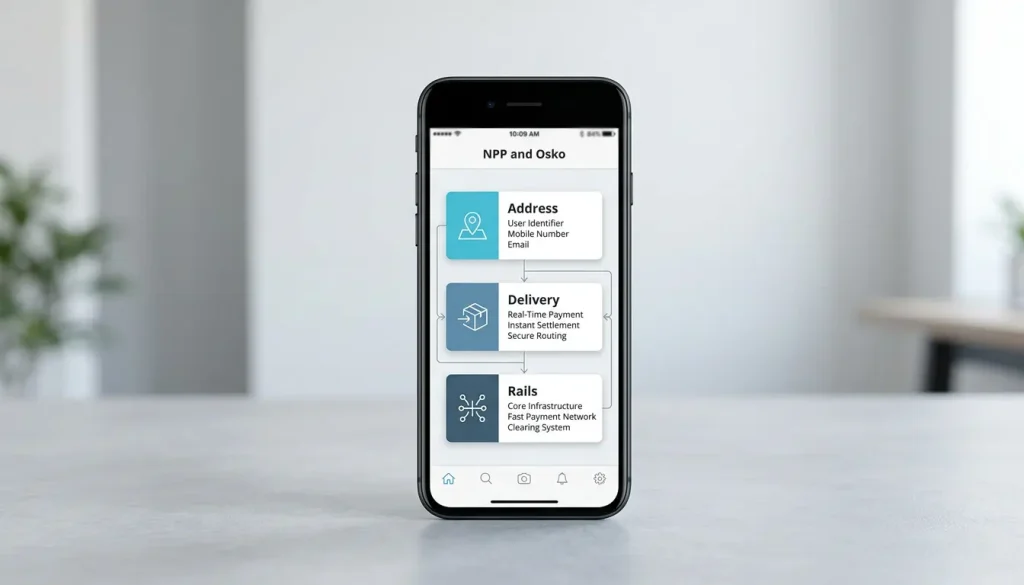
The rails that make PayID instant
Most people use PayID for years without ever knowing what makes it instant, and that is fine – you do not need to understand the engine to drive the car. But if you have ever wondered why a PayID transfer lands in seconds when an old-fashioned bank transfer used to take a day, the answer lives in two pieces of plumbing with forgettable names: the NPP and Osko.
Table of Contents
The cleanest way to hold it in your head is an address-and-delivery analogy. PayID is the address – the simple label, like your phone number, that says where money should go. Osko is the delivery service – the thing that actually carries the payment from sender to recipient. And the New Payments Platform, the NPP, is the road the whole system drives on – the shared national infrastructure that makes real-time movement possible at all. Three layers, one instant payment.
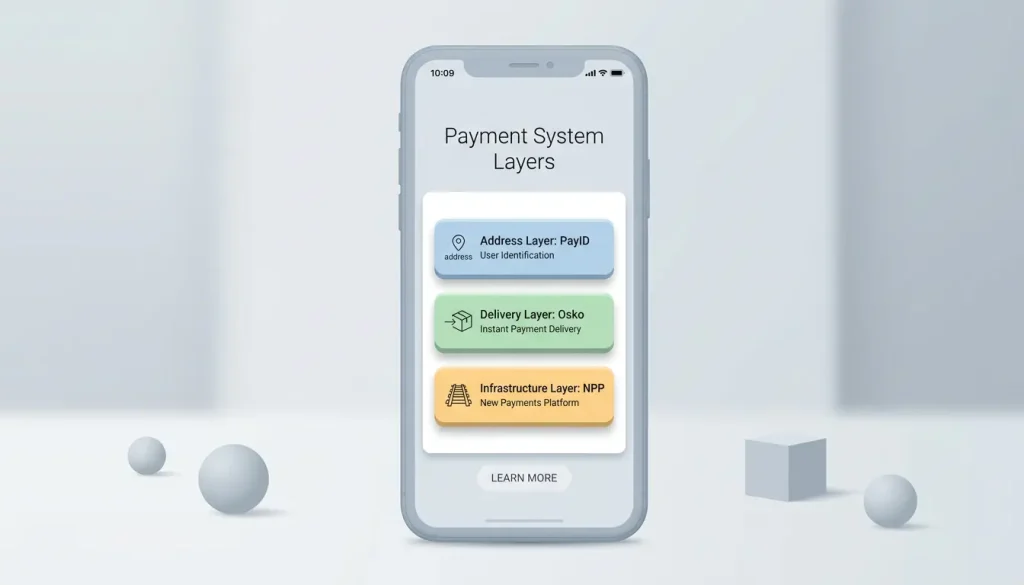
Understanding this stack is genuinely useful for a casino player, because it explains why deposits are instant, why the rail is never the thing that slows your withdrawal, and why PayID is so cheap and reliable. This piece walks through each layer in turn, shows how they fit together, and then comes back to why this plumbing matters when you are the one moving money in and out of an operator. It is a short tour of the machinery, in plain language, with no jargon left unexplained.
What the New Payments Platform is
The New Payments Platform is the foundation everything else sits on, so it is worth understanding first. In simple terms, it is a national, real-time payment system that lets money move between Australian bank accounts at any institution, instantly, around the clock – including weekends and the middle of the night.
Before it existed, transferring money between different banks often meant waiting for batch processing – payments bundled up and settled at set times, which is why a Friday-night transfer might not arrive until Monday. The NPP replaced that with continuous, real-time settlement: a transfer clears in seconds rather than waiting for the next batch window. It is shared infrastructure, meaning it is not owned by any single bank but used by all participating institutions, which is what lets money move seamlessly between, say, one big bank and a small credit union.
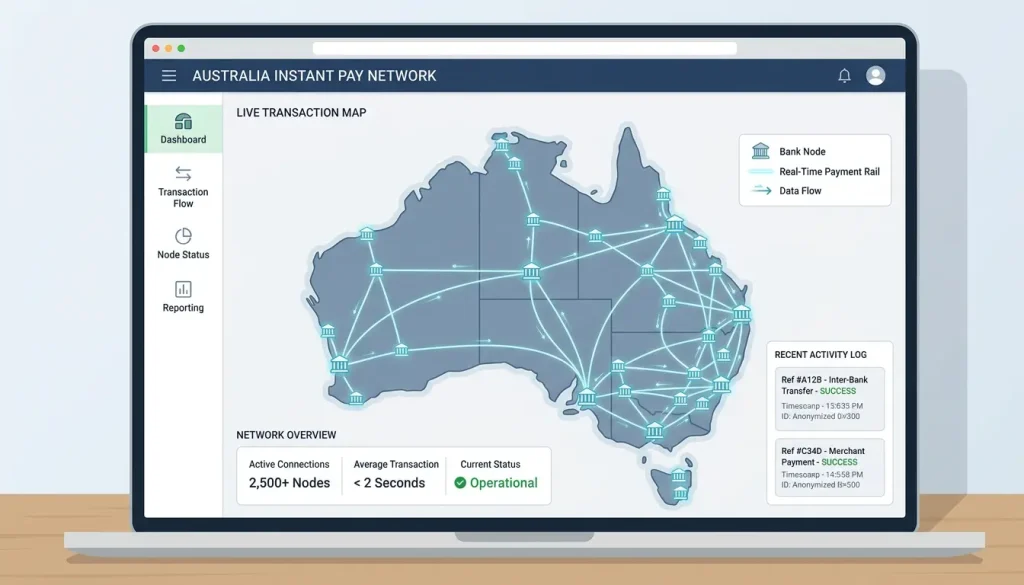
The scale it operates at tells you how central it has become. In 2024 the platform processed around 1.6 billion transactions worth roughly A$1.99 trillion – a volume that places it at the core of how Australians move money, not at the edges. It is operated through Australian Payments Plus, the body that brings together the country’s key payment systems. For you, the practical upshot is that the NPP is the reason “instant” is even possible. Every PayID payment you make rides this road, and the road is fast, always open, and built for far more traffic than any individual will ever generate. When something about a PayID payment is slow, it is essentially never the NPP – the road is clear; the delay, if any, is at the destination.
How Osko and PayID sit on top of NPP
If the NPP is the road, Osko and PayID are the two things that make the road usable for ordinary people – and they do different jobs, which is the part most explanations blur together. Keeping them distinct is what makes the whole picture click.
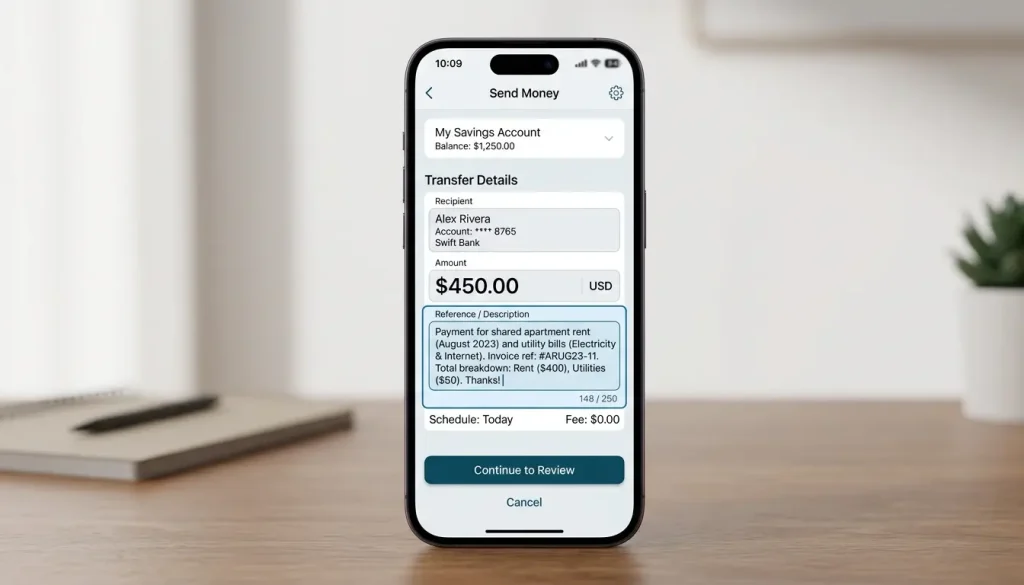
Osko is the payment service that runs over the NPP – the “delivery.” When you make a fast payment between banks, Osko is typically the overlay service moving it across the platform in real time. You rarely interact with the word “Osko” directly; it works in the background, which is exactly what a delivery service should do. It is the mechanism that takes your instruction and carries the money, near-instantly, to the other account.
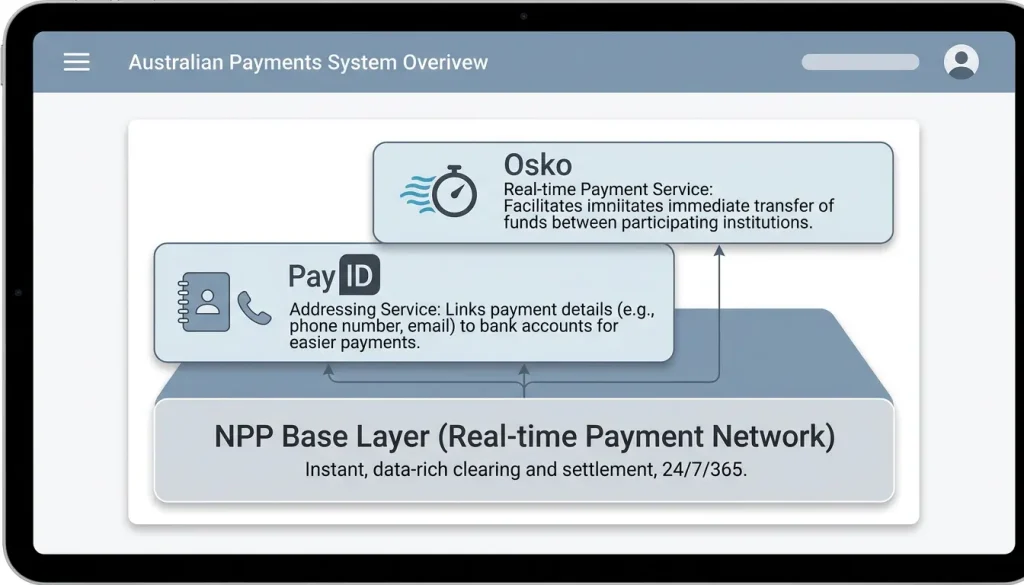
PayID is the addressing layer – the “address.” Instead of identifying the destination with a BSB and account number, PayID lets you use a simple alias like a phone number or email. When you pay a PayID, the system resolves that alias to the real account behind it, shows you the registered name as a check, and then Osko carries the payment over the NPP. So the sequence is: PayID identifies where the money goes, Osko delivers it, and the NPP is the infrastructure both rely on. One useful feature this stack enables is richer payment information – the platform supports data-rich payments carrying up to 280 characters of description, far more than the cramped reference fields of older systems, which is part of why PayID payments can include clearer references. The three layers are separable in theory but feel like a single, seamless action in practice, which is the whole design goal.
Why this plumbing matters to players
You might reasonably ask why a casino player should care about payment infrastructure at all. The answer is that understanding the stack lets you correctly diagnose your own experience – and stop blaming the wrong thing when something feels off.
The most practical payoff is knowing where speed comes from and where it does not. Because the NPP and Osko deliver in seconds, you can be certain that a slow withdrawal is never the rail’s fault – it is the operator’s approval process, every time. That single insight saves a lot of misplaced frustration. The same goes for cost: the infrastructure is extraordinarily cheap to run, which is why PayID transfers are typically free to you, and why a casino has no rail-based excuse to charge a deposit fee.
It also helps you reason about reliability and reach. The fact that this is shared, national infrastructure connecting effectively every participating bank means a PayID payment works the same whether you bank with a major institution or a small one – the road is the same road for everyone. And it explains why PayID is so consistent: there is no proprietary, fragile connection that only works between certain banks. Knowing the plumbing turns PayID from a black box into a system you can reason about, which is genuinely empowering when money is involved. If you are curious about where this infrastructure is heading next – toward authorised, recurring payment arrangements rather than one-off transfers – our guide to PayTo versus PayID covers the next layer being built on these same rails.
Frequently Asked Questions
Is Osko the same as PayID?
No. Osko is the delivery service that moves a payment across the platform in real time, while PayID is the addressing layer that lets you send to a simple alias instead of a BSB and account number. They work together - PayID identifies the destination and Osko carries the money there - but they do different jobs.
Who runs the NPP?
The New Payments Platform is operated through Australian Payments Plus, the body that brings together Australia's key payment systems. It is shared infrastructure used by all participating banks rather than owned by any single institution, which is what lets money move seamlessly between different banks.
Does NPP work 24/7?
Yes. The platform settles payments in real time around the clock, including weekends, public holidays and overnight, which is the key difference from the older batch-based system it replaced. That continuous availability is why a PayID transfer can land in seconds at any hour.
Guides
Using PayID on Mobile at a Casino
Using PayID on mobile PayID was born on the phone. It lives inside banking apps, it is authorised with a fingerprint or a face scan, and the whole experience assumes…
Which Australian Banks Support PayID
Which banks let you use PayID The short answer to "does my…
What “Instant” Really Means for a PayID Withdrawal
What "instant" really means for PayID payouts "Instant PayID withdrawals" is one…
Are Gambling Winnings Taxed in Australia?
Are gambling winnings taxed in Australia? This is one of the few…
When a PayID Deposit Doesn’t Show Up at the Casino
When a PayID deposit doesn't show up The most stressful five minutes…